
How a Co-Ed Boarding School in India Creates Balance Beyond the Classroom
A good education is not defined only by marks, examinations, or classroom performance. Students also need opportunities to stay physically active, discover their interests, develop friendships, become independent, and learn essential life skills. This is where the residential school environment can offer a distinctive educational experience.
A Co-Ed Boarding School in India brings academics, sports, activities, residential life, and social development together within a structured campus environment. Instead of treating these areas separately, boarding schools can provide students with a daily routine that allows appropriate time for learning, physical activity, recreation, and personal development.
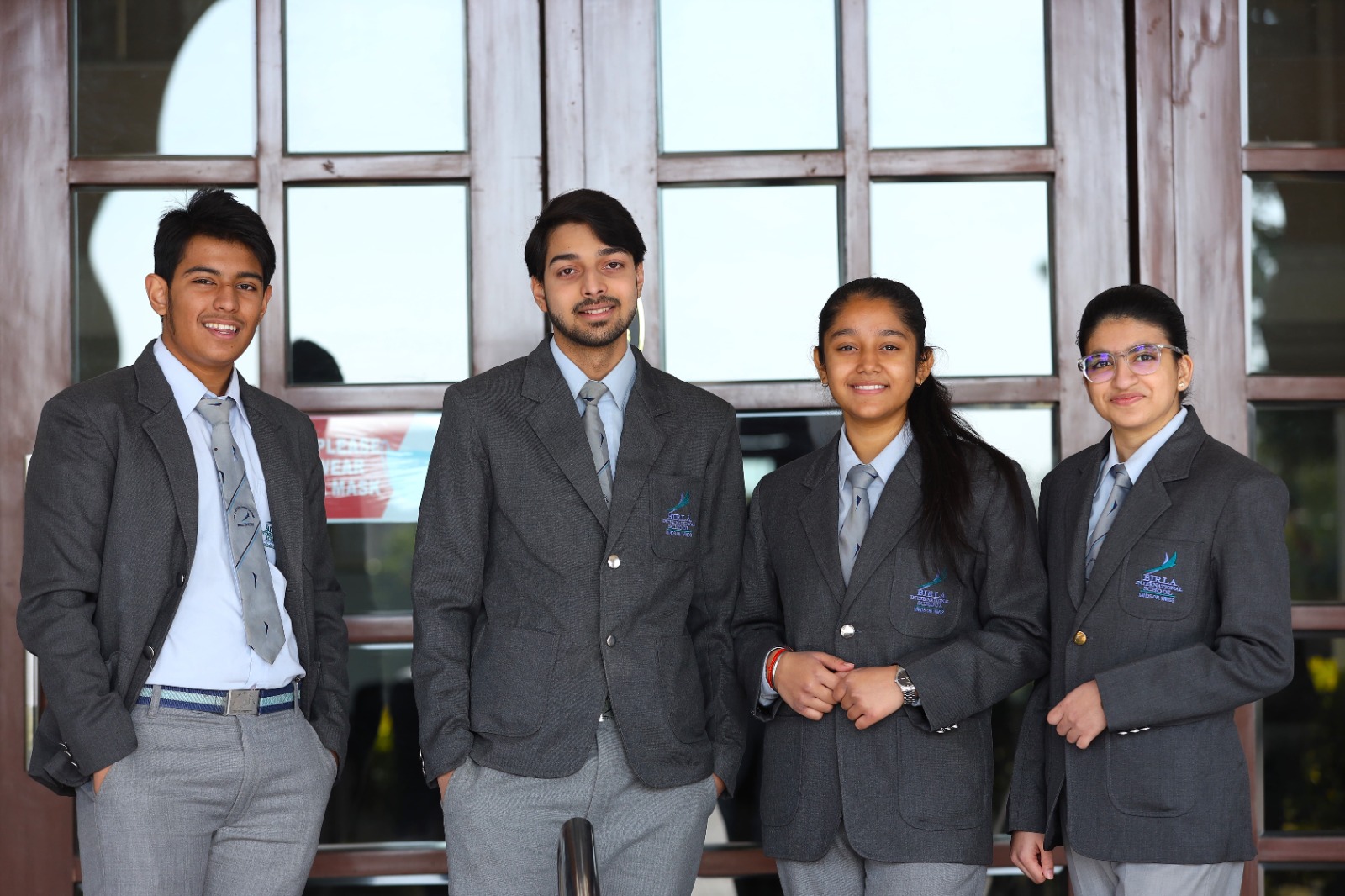
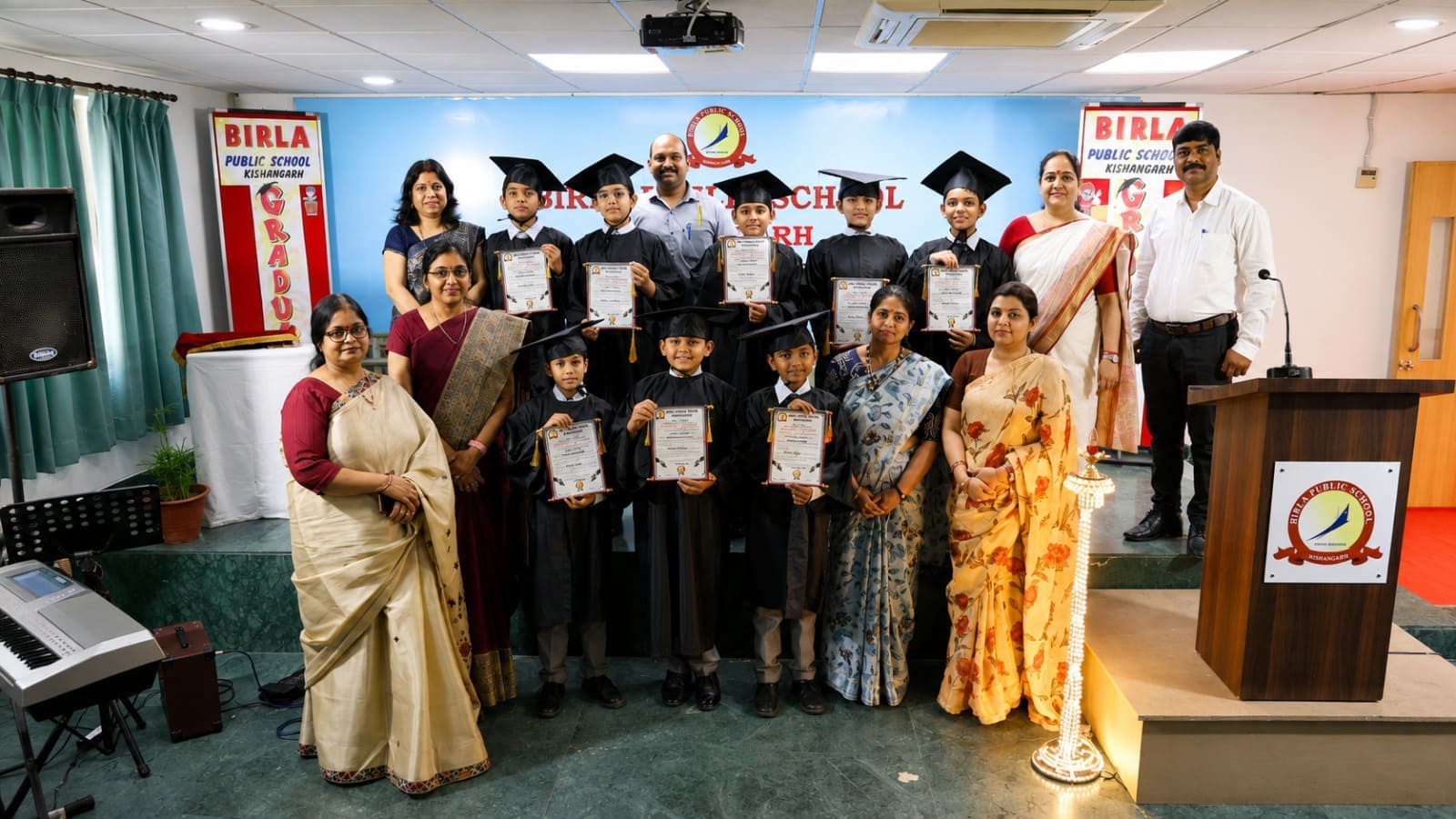
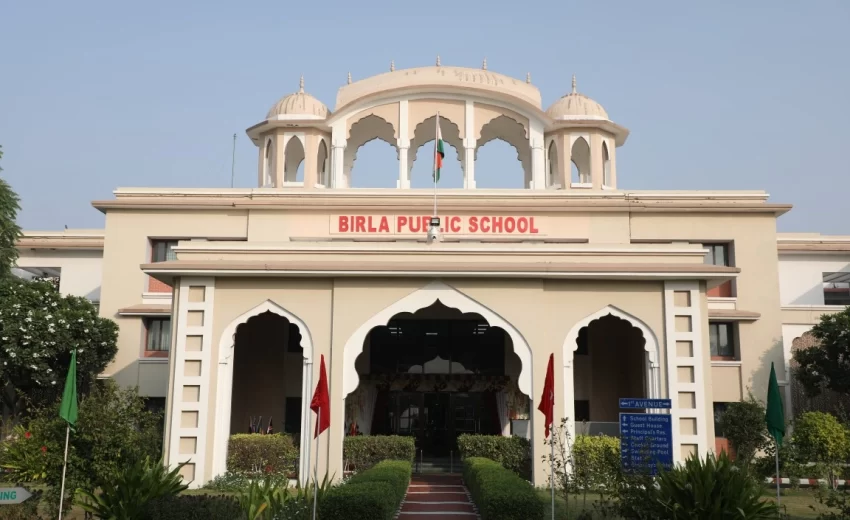
Birla Public School Kishangarh offers a co-educational residential environment where students experience academic learning alongside sports, activities, structured routines, and opportunities to develop greater responsibility.
Why Balance Matters in a Student’s Education
Academic achievement is important, but children also require physical activity, adequate rest, recreation, social interaction, and opportunities to pursue interests outside the classroom.
A balanced school experience can contribute to:
- Better time-management habits
- Physical fitness and active lifestyles
- Social interaction and teamwork
- Opportunities for creative expression
- Leadership development
- Greater independence
- Improved self-discipline
- Exposure to interests beyond academics
For parents choosing a boarding school, understanding how the school balances these different areas can be just as important as reviewing its academic curriculum.
Academic Life at a Co-Ed Boarding School
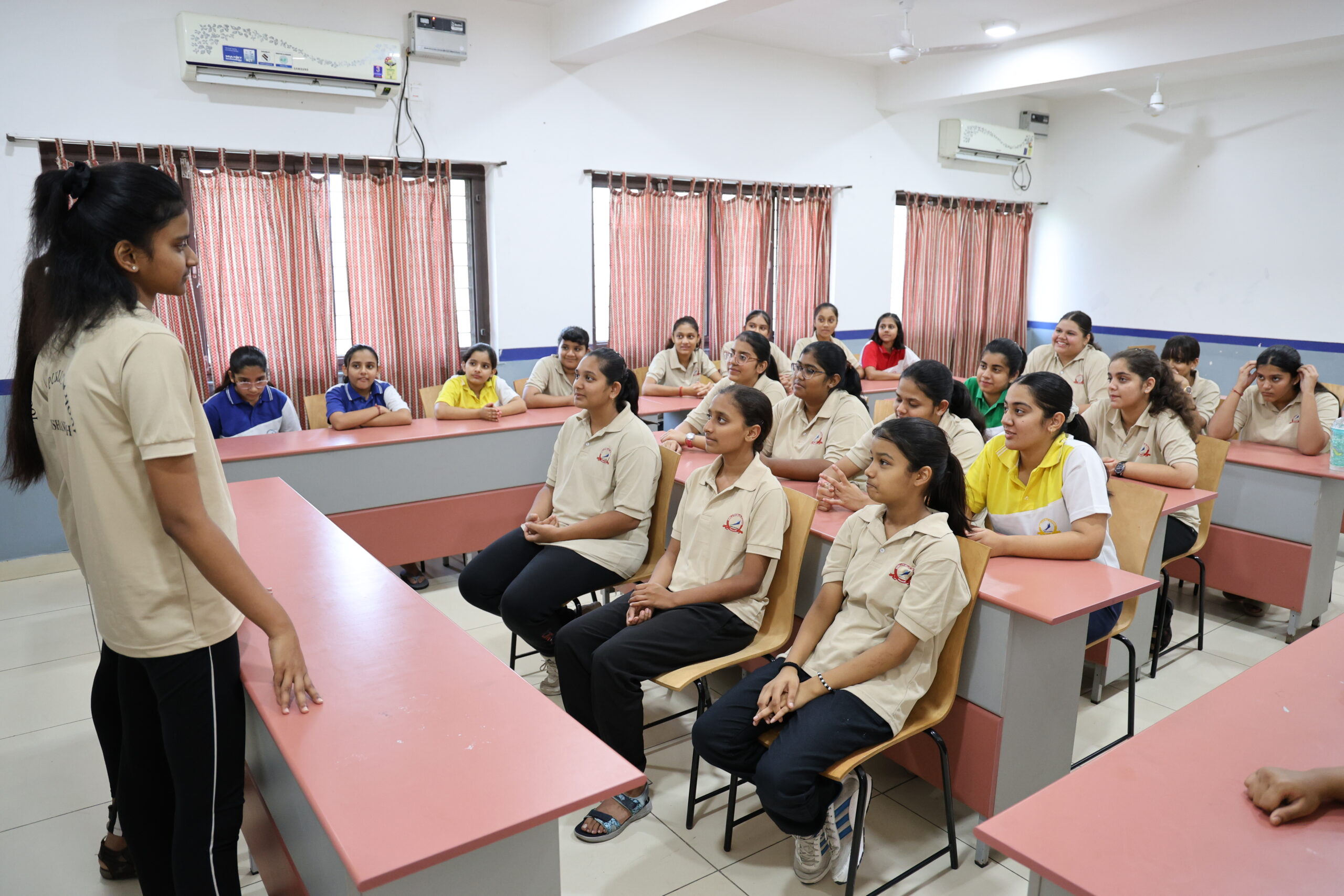
Academics remain a central part of school life. In a residential environment, however, learning does not necessarily end when regular classes finish.
Students generally have structured periods for classroom learning, independent study, homework, revision, and academic support.
1. Structured Study Routine
A planned daily routine can help students allocate appropriate time to their studies. Instead of leaving all homework and revision until late in the day, designated study periods encourage consistency.
Over time, students may learn how to:
- Plan assignments
- Meet academic deadlines
- Prepare for assessments
- Organize study material
- Identify subjects requiring additional attention
These habits can become valuable as students progress toward higher education.
2. Learning to Study Independently
Boarding school life encourages students to gradually take greater responsibility for their academic work.
Teachers and mentors remain available for guidance, but students also learn that they need to complete assignments, prepare for lessons, and manage their own learning responsibilities.
This transition from constant reminders to greater self-management can support independence.
3. Learning With Peers
Living and studying alongside classmates creates opportunities for discussion and collaborative learning. Students can exchange ideas, participate in group projects, and learn to appreciate different perspectives.
A positive peer environment can make learning more interactive and engaging.
The Role of Sports in a Co-Ed Boarding School in India
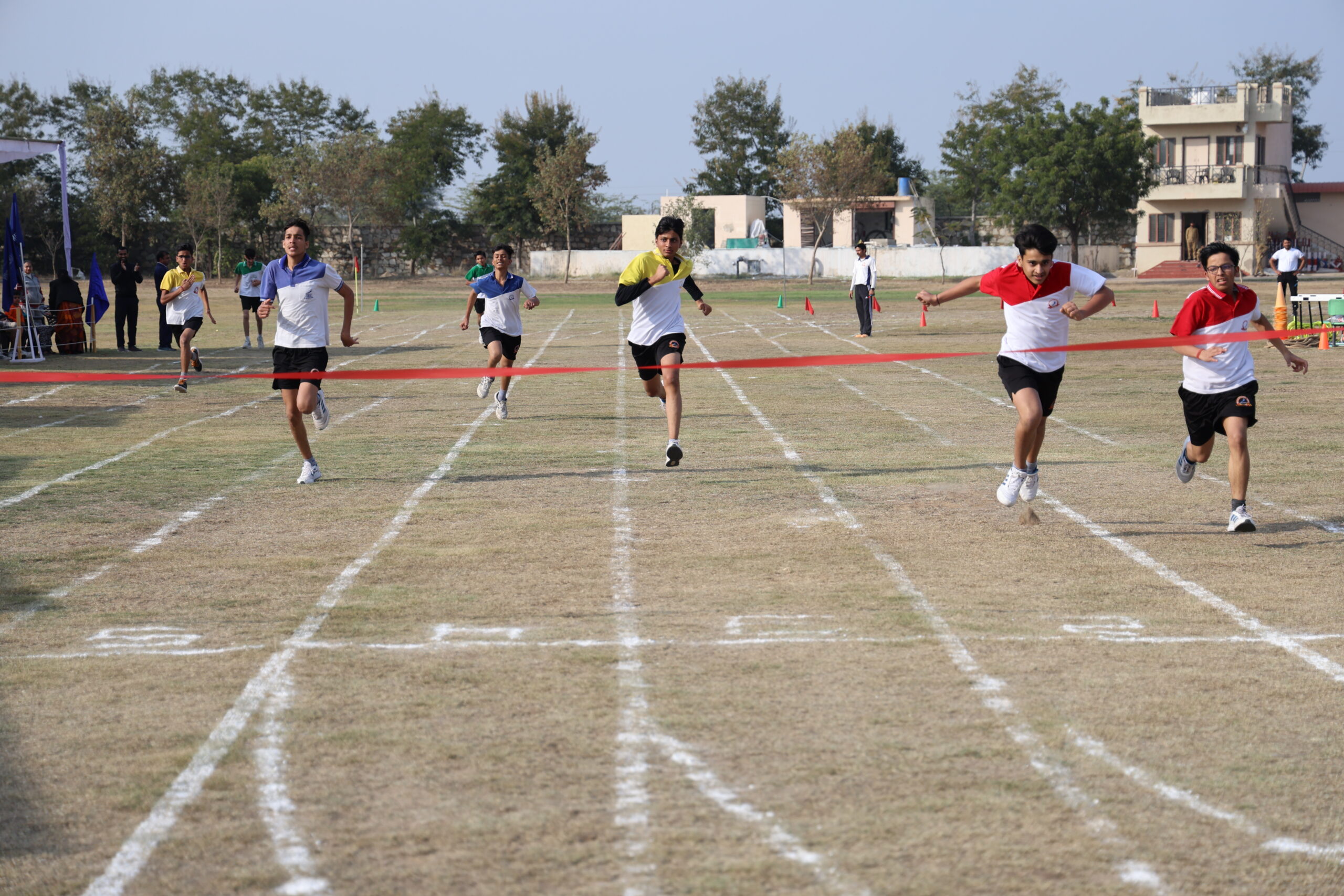
Sports are an important part of a balanced residential education. Since students live on campus, schools can integrate regular physical activity into their routines more consistently.
Participation in sports is not only about competition or winning. It can also teach valuable lessons about discipline and teamwork.
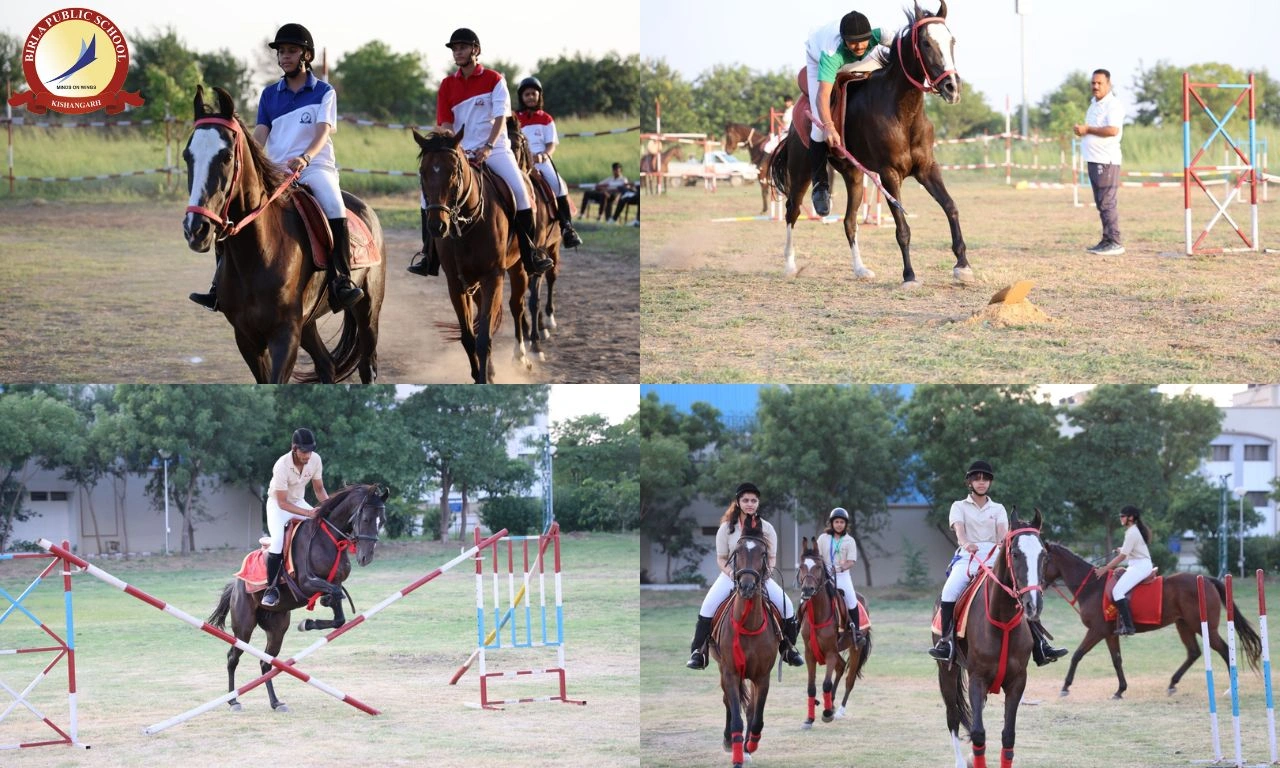
Sports Can Help Students Develop:
- Physical fitness
- Coordination
- Teamwork
- Patience
- Sportsmanship
- Perseverance
- Goal-setting
- Leadership
- Respect for rules
Team sports teach students to work toward a common objective, while individual sports can encourage personal discipline and self-improvement.
Regular participation also gives students a constructive break from academic routines.
Learning to Manage Studies and Sports Together
One concern parents may have is whether sports and extracurricular activities could distract students from academics. A structured residential timetable can help students understand that both areas require planning and commitment.
Students gradually learn that they cannot dedicate all their time to only one activity.
For example, they may need to complete assignments before participating in recreation or organize revision around scheduled sports practice.
This experience teaches an important life skill: prioritization.
Rather than eliminating activities during academically demanding periods, students can learn how to manage responsibilities appropriately.
Student Life Beyond Academics and Sports
Residential education includes many experiences that take place outside classrooms and sports grounds.
Students may participate in:
- Art and creative activities
- Music and cultural programmes
- Debates and public speaking
- Competitions
- Clubs and societies
- House activities
- School events
- Leadership initiatives
- Community-oriented activities
- Group projects
Such experiences give children opportunities to identify interests and abilities that may not be visible through academic performance alone.
A student who is quiet in the classroom, for example, may discover confidence through art, theatre, sports, music, or another activity.
Co-Education and Social Development
A co-educational environment allows boys and girls to learn and participate in activities within the same school community.
When supported by appropriate school policies and guidance, co-education can encourage students to communicate respectfully, appreciate different viewpoints, and collaborate naturally.
Students may develop:
- Mutual respect
- Communication skills
- Confidence
- Teamwork
- Empathy
- Social awareness
- Ability to work with different personalities
These skills are relevant because higher education, workplaces, and communities require individuals to communicate and collaborate with diverse groups of people.
Residential Life and Independence
Living away from home can be a significant change for a child. However, within a supervised environment, everyday residential responsibilities can gradually encourage independence.
Students learn to:
- Manage their belongings – Keeping personal items organized becomes their responsibility.
- Follow schedules – Students need to arrive at classes, meals, study sessions, and activities on time.
- Make everyday decisions – They gradually learn to handle age-appropriate choices independently.
- Ask for help appropriately – Independence also means recognizing when assistance from teachers or residential staff is needed.
- Live as part of a community – Sharing spaces teaches consideration, patience, cooperation, and respect for others.
These seemingly small experiences can contribute significantly to personal development.
Life at Birla Public School Kishangarh
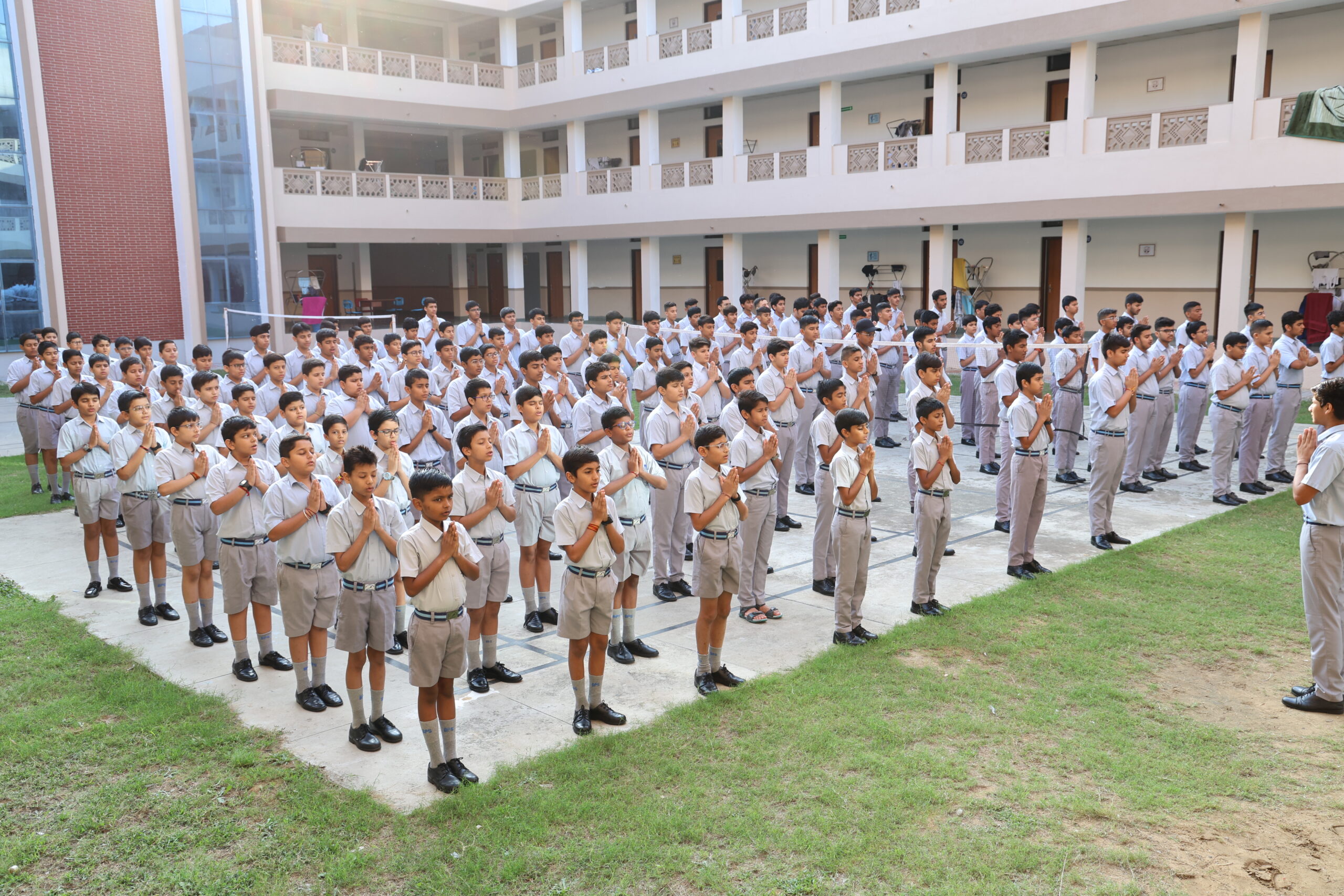
Birla Public School Kishangarh provides a co-educational residential learning environment in Rajasthan. The school’s residential model allows students to experience academics alongside sports, activities, peer interaction, and structured campus life.
For parents exploring Birla Public School Kishangarh, it is useful to consider the entire student experience rather than focusing on a single feature.
Important areas to explore include:
- Academic curriculum and teaching approach
- Residential facilities and supervision
- Sports opportunities
- Co-curricular activities
- Student support systems
- Daily routines
- Safety arrangements
- Pastoral care
- Communication between school and parents
Visiting the campus and speaking with school representatives can also help parents understand whether the environment matches their child’s needs.
How Boarding Life Can Build Time-Management Skills
One of the practical benefits of structured residential life is that students become more aware of how they use their time.
A typical school day may include lessons, meals, sports, study periods, activities, recreation, and rest. Students therefore need to move between different responsibilities according to a schedule.
Gradually, this can teach them to:
- Prioritize important tasks
- Avoid unnecessary delays
- Prepare in advance
- Maintain regular study habits
- Make time for physical activity
- Balance responsibilities with recreation
These habits can be useful later when students enter college or other environments with greater personal freedom.
What Should Parents Look for Before Choosing a Boarding School?
Selecting a Co-Ed Boarding School in India requires careful evaluation. Parents should look beyond promotional material and understand how the school functions on a normal day.
Before making a decision, consider:
- Is the academic programme suitable for your child?
- How are boarding houses supervised?
- What sports and activities are available?
- How does the school support students who experience homesickness?
- What medical assistance is available?
- How are students encouraged to maintain academic discipline?
- What opportunities exist for leadership and creativity?
- How does the school communicate with parents?
- What safeguarding practices are followed?
- Does your child feel comfortable with residential life?
Most importantly, parents should involve their child in the decision wherever appropriate.
Building a Healthy Routine for the Future
The long-term value of residential education can extend beyond examination results. Students who learn to balance academics, sports, friendships, responsibilities, and personal interests gain practical experience in managing different priorities.
The objective should not be to keep students busy every minute. Instead, a thoughtfully structured routine should provide sufficient time for learning, activity, social interaction, recreation, and rest.
Such balance can help students understand that personal growth involves more than succeeding in one area.
Conclusion
Choosing a Co-Ed Boarding School in India is about finding an environment where academics and personal development can complement each other. Classroom learning provides academic foundations, sports encourage fitness and teamwork, activities support creativity, and residential life can foster independence and responsibility.
At Birla Public School Kishangarh, the co-educational residential environment brings different aspects of student life together within a structured campus setting.
For parents, the right choice should ultimately depend on their child’s educational needs, emotional readiness, interests, and personality. A school environment that provides appropriate academic guidance while giving students opportunities to participate, explore, interact, and gradually become more independent can contribute to a well-rounded educational experience.
When studies, sports, activities, friendships, and responsibilities are thoughtfully balanced, school becomes more than a place to complete an academic curriculum—it becomes an environment for learning about life itself.