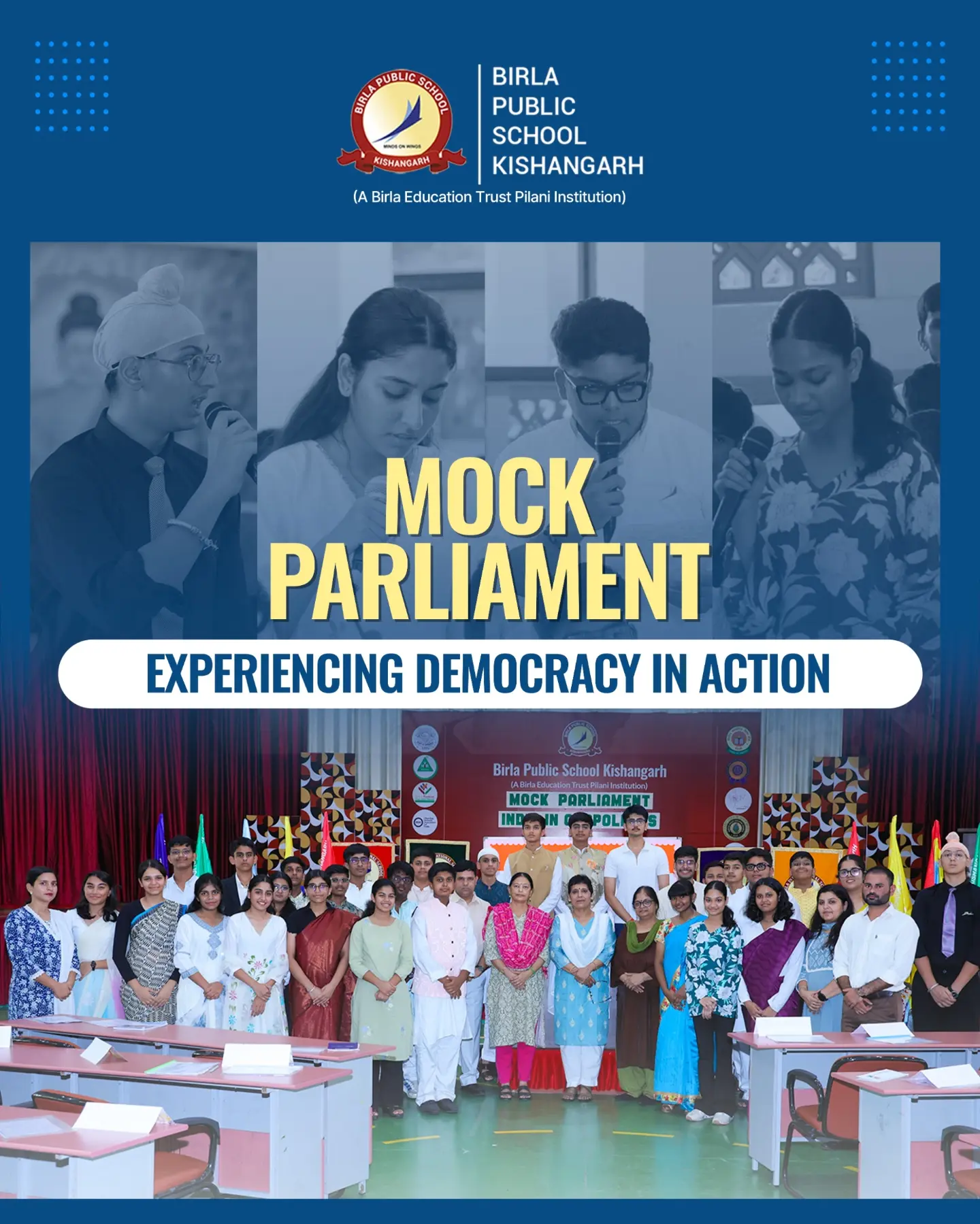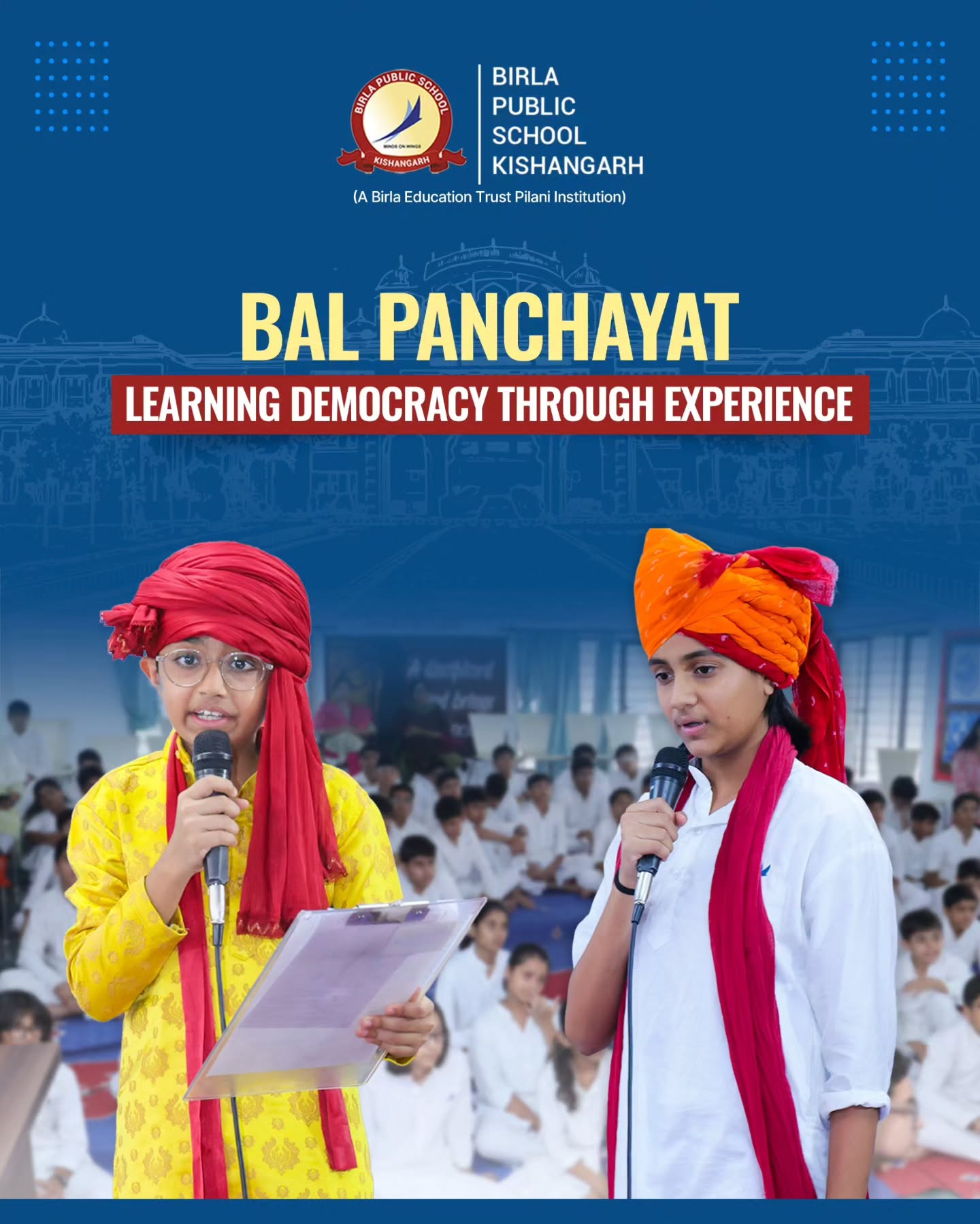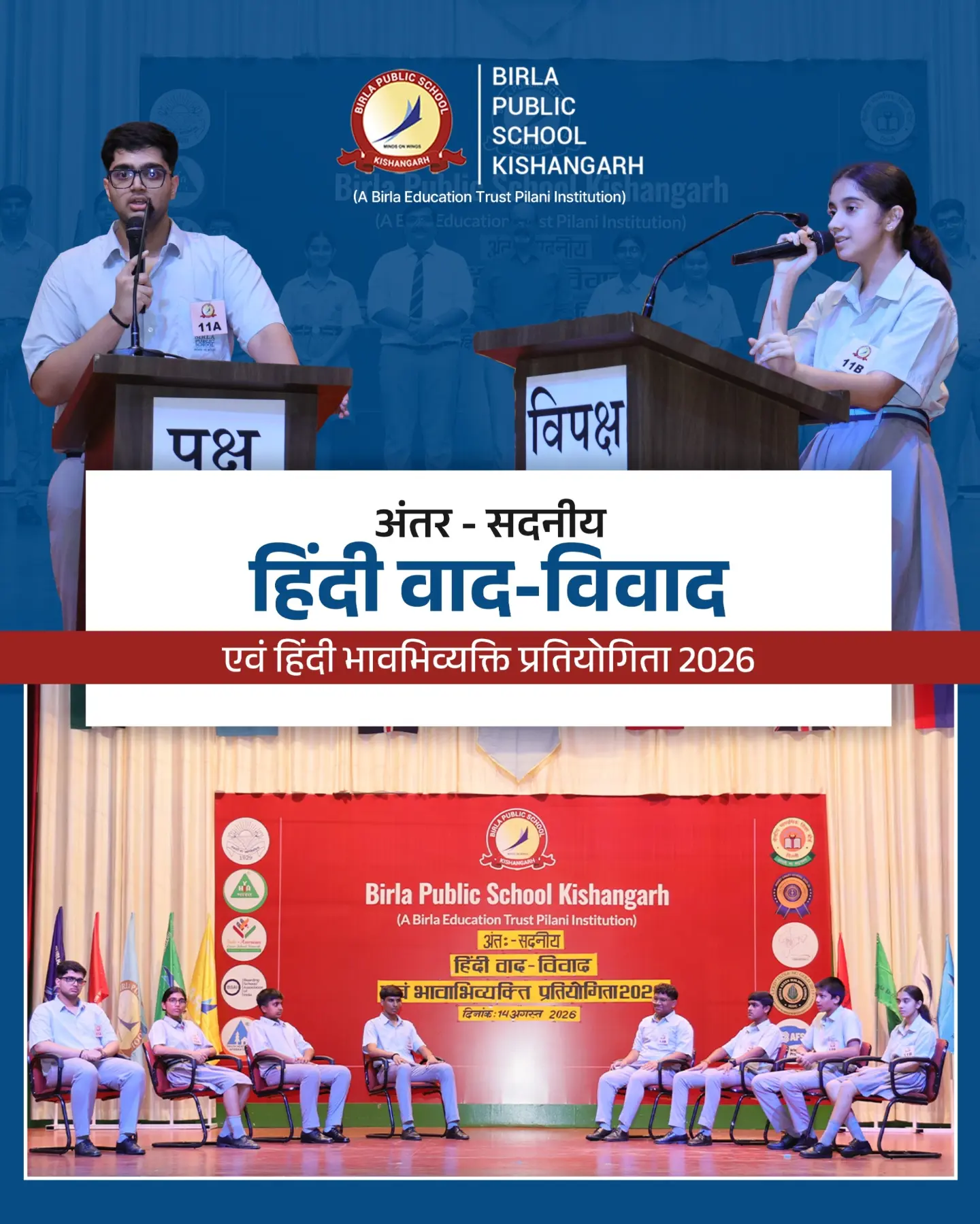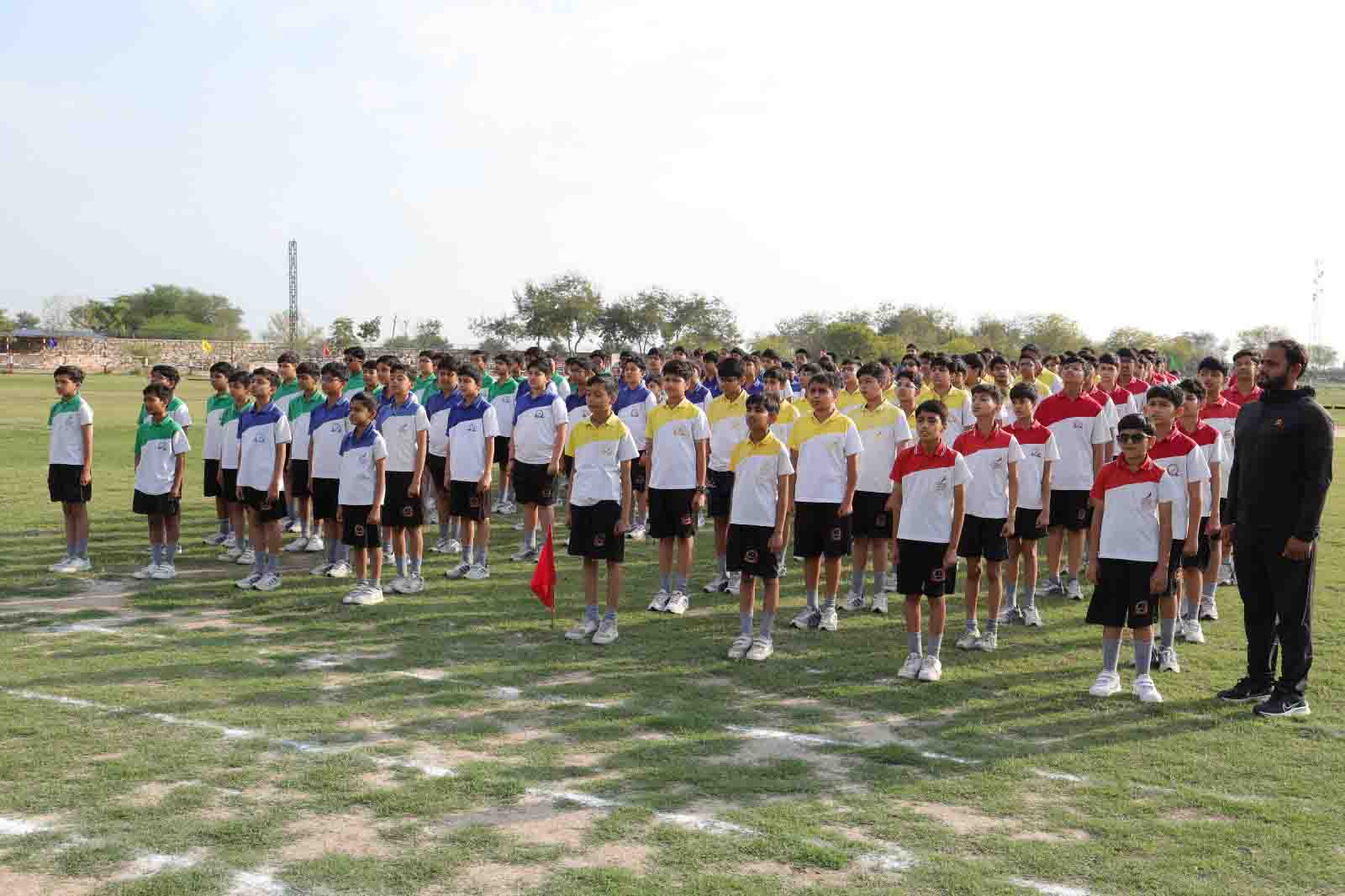

Holistic education is the development of the mental, physical, emotional, social, and creative domains. Birla Public School Kishangarh is one of the residential schools in Rajasthan which shows academics, sports, art, leadership, and community participation can integrate different aspects to produce students who are prepared for the real world.
Students’ academic performance does not always determine if they are prepared for life after school. Universities, workplaces and communities prefer students who are emotionally intelligent, adaptable, confident, and responsible. For this reason, integrated/holistic education is increasingly the focus of discussions of the aims of contemporary education.
Birla Public School Kishangarh adopts an education process that extends beyond just classroom education, by incorporating academics, sports, arts, character and social responsibility supports leadership and social responsibilities. It encourages the development of confidence to face the challenges of the future.
What Is Holistic Education?
Integrated education or holistic education emphasizes the development of the whole person. It integrates the mental, social, emotional, physical, moral and creative dimensions to educate beyond just the achievement of academic goals.
Practically, this means that beyond classroom learning, the student’s daily experience also includes sports, cultural, creative and community engagement activities.
Undoubtedly, the development of character, confidence and a sense of responsibility brings a person to a higher level of capability.
Holistic education has become one of the most crucial education systems in the world today. Students are required to do more than know their subjects. They have to develop skills of communication, collaboration, complex problem solving, creativity, adaptability, and emotional intelligence.
An understanding of both the academic and the practical sides of life is provided by holistic education.
1. Developing Critical Thinkers
Holistic education is focused on understanding concepts, asking questions, analyzing information, and thinking beyond the box in problem-solving. Holistic education gives students numerous opportunities for applying their knowledge and that helps them to attain independence in thinking, making decisions, and equipping them with the skills for informed decision-making.
2. Building Emotional Intelligence
Holistic education develops emotional intelligence by helping students to understand their feelings and to respect and recognize the feelings of others.
Through teamwork, group activities, sports, residential life, and other everyday activities, students learn empathy, listening skills, and how to manage conflicts.
3. Building Creativity
Holistic education encourages students to unleash their creative side and hidden talents.
A wide range of artistic activities namely, music, painting, theatre, dancing, and writing, among others, not only encourage students to be creative, but also help them to develop their imagination and innovative skills in life.
4. Developing Confidence
Holistic education inspires students to be independent and confident.
These experiences develop students’ confidence and their sense of independence as they come to see that success is not defined solely by exam results; it is defined by their ability to see, take responsibility for, and develop their skills.
Academic Excellence as the Foundation
Academic excellence remains pivotal in a student’s education. At **Birla Public School Kishangarh**, holistic development is introduced as an extension of academic learning; students are given the opportunity to apply their academic skills in real-world contexts.
A strong academic foundation forms a student’s base of subject knowledge. Extracurricular and co-curricular activities further develop a student’s communication, teamwork, and practical skills.
The combination of these diverse elements is the hallmark of a truly balanced learning environment.
Sports as an Important Pillar
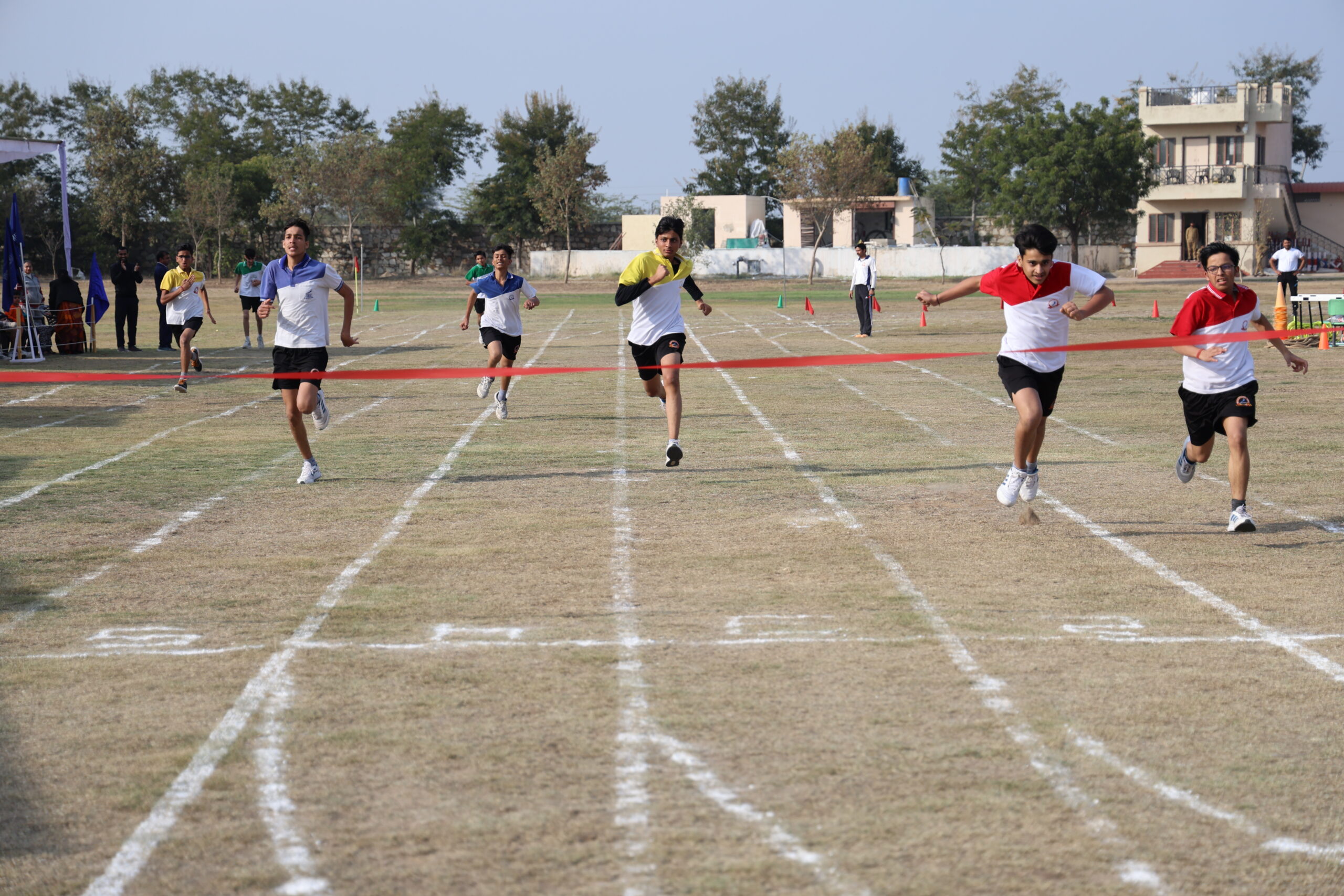
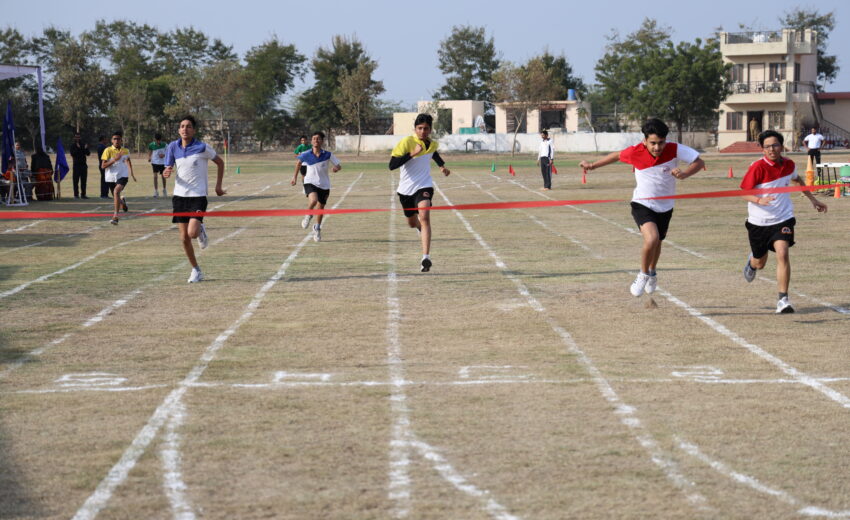
Holistic education incorporates physical activity; of these, sports play a significant role in the development of a student’s physical wellbeing as well as their discipline, teamwork, concentration, perseverance, and their ability to accept defeat graciously.
The Value of Sports Participation
The value of sports participation lies in the development of a student’s ability to work within a framework of rules, concentration, and the ability to face both success and failure.
Sports help students understand the importance of practice and develop a sense of responsibility for their achievements.
As a result, participation in sports can play a role in a student’s positive mental and emotional development and help further their self-discipline.
The Value and Importance of Arts, Culture, and Creativity
A student’s self-expression and creativity flourishes in the aesthetics and the performing arts (such as music, dance, theatre, and painting), as well as creative writing.
Activities pertaining to the arts have the ability to draw out a student’s hidden interests and help them develop self-confidence through verbal expression.
Creative activities used outside of the classroom help students find their interests and nurture their talents.
Arts and cultural activities can complement academic pursuits and help students refine their skills at the Birla Public School Kishangarh throughout their stays.
Leadership and Character-Building
Character building stems from leadership. An integral part of a good education is the ability to carry out duties, socialize with peers, and understand the repercussions of one’s actions.
The residential school environment serves up a plethora of chances for building character through group work, duties, social participation, and engagement in school activities.
Leadership doesn’t reside in an appointed post. It is about being accountable and communicative, participative, and supportive.
Such experiences assist students in being their own person.
The Benefits of a Residential School
A residential school creates an environment for holistic education. For students, learning extends far beyond the classrooms.
The Birla Public School Kishangarh offers numerous daily routines and duties to help students with the development of responsibility, socialization, and independence.
The Importance of a Disciplined Environment
Living in a structured environment helps students learn how to balance an everyday schedule and fulfill daily obligations.
Self-discipline can be achieved through goal setting and time management, along with the completion of day-to-day activities and personal organization.
Building Strong Peer Learning
On campus students get to learn with their peers. Because of this, students start to recognize cultural, interpersonal, and personality diversity and uniqueness.
Fun and interactive peer learning games and activities help students develop and improve their communication and cooperation skills.
Building Self-Reliance
Living on campus encourages students to be more independent and take ownership and control of their decisions.
Being more independent and self reliant are positive qualities students develop when they learn how to manage tasks and challenges on their own.
Integrated Development
One of the major benefits of best residential education in rajasthan is integrating activities and systems that help students develop, such as sports, arts, academics, and social activities.
Learning occurs at all times of the day and in all of the locations on campus.
Cultivating Personal Responsibility
Holistic education helps students recognize their responsibility to and engagement with their communities.
Community and societal service, outreach, and group-focused activities help develop compassion and empathy and social responsibility.
Readying Students
The purpose of holistic education is not preparing students for curriculum and examination focused goals. It is preparing students to deal with the demands of society and higher educational institutions and working life.
Students who enhance their creativity and adaptability, and their problem solving, communication, and teamwork skills, along with leadership and self management, will be better prepared to adjust to and work in an evolving society.
Academic knowledge forms an important base, but being able to apply knowledge, flexibility, teamwork, and overcoming challenges are important skills.
Preparing Students for Life After School
The goal of holistic education is to prepare students beyond formal schooling. This includes an understanding that success encompasses more than an excellent set of exam scores.
Birla Public School Kishangarh demonstrates how academia, athletics, arts, leadership, residential life, and social accountabilityotry are each essential components of developing students who are prepared for school and life.
For parents looking at residential schools in Rajasthan, it is worth looking beyond Public academic results and considering a school that provides a complete package for child development.
The question that parents tend to focus on is the child’s performance in academics. Holistic education is about the development of a child and how an education environment shapes a child into a confident, responsible, independent, and creative individual.
Holistic education helps students develop skills of value and importance for life.
Frequently Asked Questions
Who can benefit from holistic education?
Students with various interest and learning styles can particularly benefit from holistic education. Students combine formal learning with sports, arts, leadership activities, and practical learning.
How is holistic education implemented at Birla Public School Kishangarh?
At Birla Public School Kishangarh, holistic education incorporates residential experiences along with academics, sports, arts and cultural activities, team work and leadership, as well as opportunities for social responsibility.