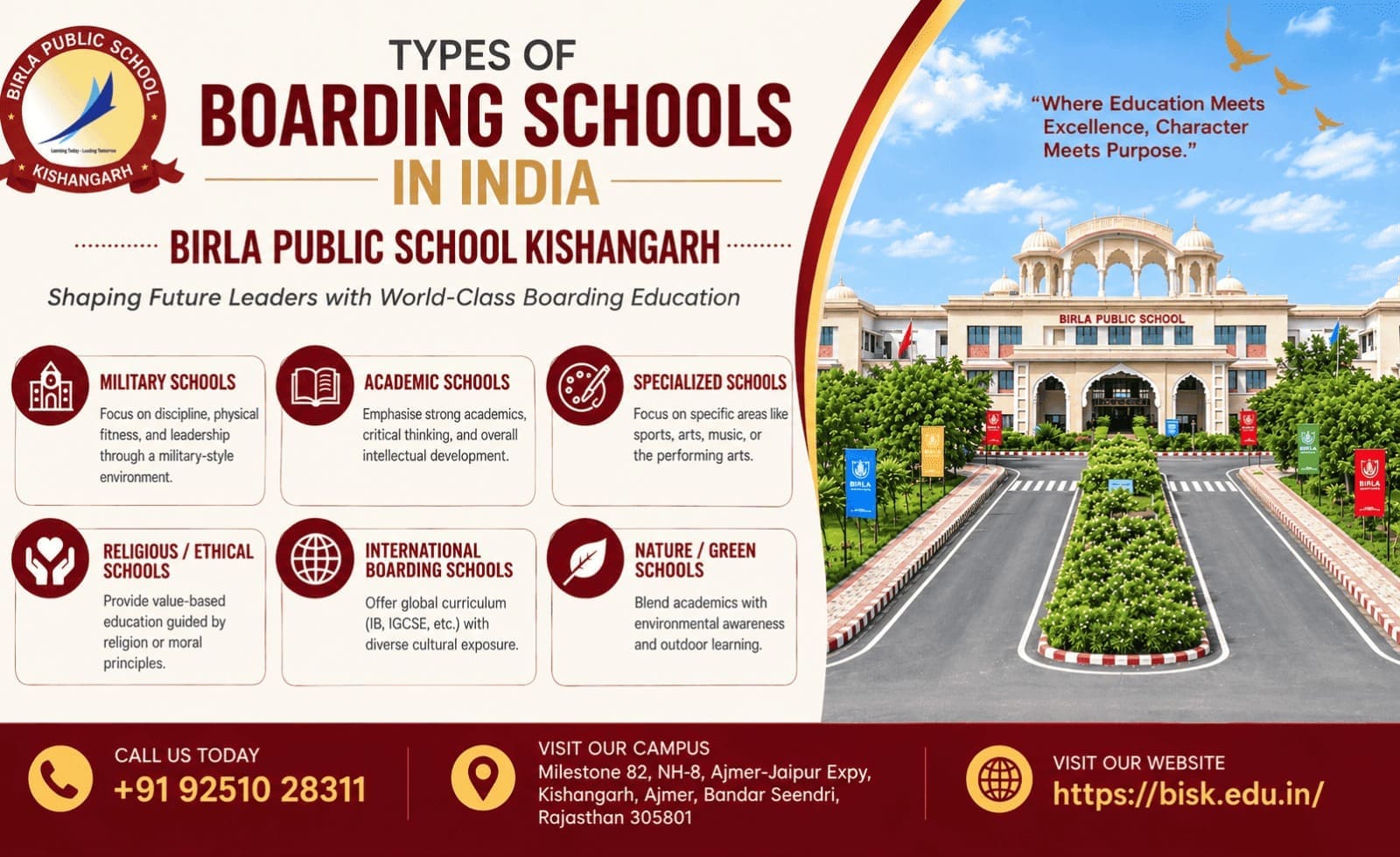

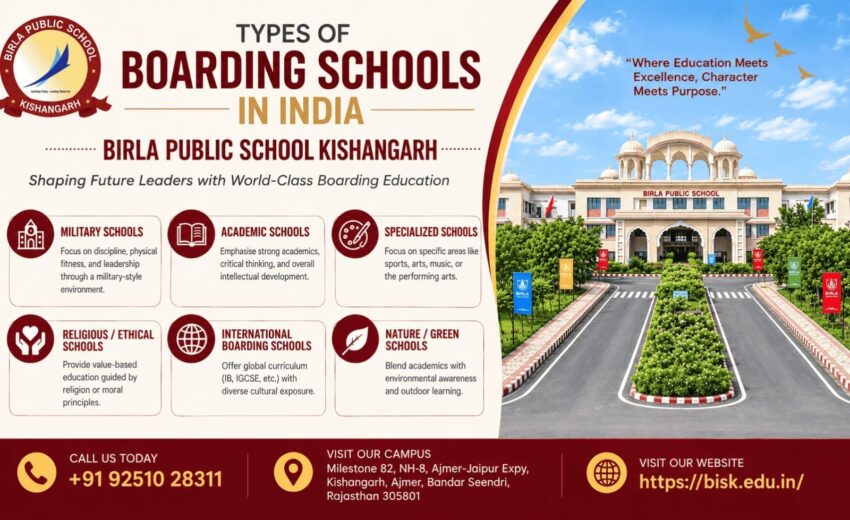
There are a variety of boarding school types in India – academic, international curriculum, military, religious, co-ed etc. Different types of boarding schools cater to distinct student needs, aspirations, and family values. Understanding the different school types will help narrow the search for the best boarding schools in India for your child.
Choosing the right boarding school is undoubtedly a monumental decision. In India, our decision is made even more difficult, and perhaps even more fun, with all of the options available. From classic boarding schools located in the hills to brand new international schools providing the International Baccalaureate, there is a myriad of options available when it comes to boarding schools in India.
While choice is always good, too much choice leads to confusion. Many parents find themselves in this predicament after determining they want to look at boarding schools in India. Yet, they find it difficult to assess multiple schools when they appear to be so dissimilar in both organizational and philosophical outlook.
This guide will help in simplifying the variety of boarding schools in India. Each type of school will be described with what each type has to offer, with some guidance on who each school type will be most suited for. Additionally, guidance on how to assess each school will be provided.
Regular Academic Boarding Schools
These are the most common types of boarding schools in India. They either follow the Central Board of Secondary Education (CBSE) or the Indian Certificate of Secondary Education (ICSE) curriculum and offer classes 6 to 12 within a residential facility.
Structured routines, additional opportunities for academic engagement, and available round-the-clock faculty members are deciding factors for many families in sending their children to residential boarding schools. The familiar Indian curriculum gives these schools added benefit as families consider the independence that residential life can provide their children.
Most applicable to: Families seeking schools that offer the most alignment with entrance requirements of Indian universities.
Boarding Schools with International Curriculum
Offering internationally recognized programs is by and large the newest offering in boarding schools in India and draws most heavily on the International Baccalaureate (IB), Cambridge IGCSE, or A-Levels. Schools offering these programs place a high priority on critical thinking with global understanding and holistic development in addition to their focus on academic achievement.
IB or Cambridge students can apply with confidence for study at top schools globally or leading universities in India. Compared to CBSE/ICSE schools, tuition is generally higher at schools offering international curricula due to smaller class sizes and specialized teaching staff.
Most applicable to: Families focusing on global university study or longterm study in a foreign country.
Girls’ Boarding Schools in India
Single-sex boarding schools have been a central feature of India’s educational system for a long time and are an integral part of the top boarding schools in India for academics and leadership. The Welham Girls’ School in Dehradun is well known for producing leading women in different sectors of the country’s politics, commerce, and the arts.
Girls at boarding schools are more likely to participate in STEM related activities and show more interest in these subjects compared to coed schools. The boarding school also introduces parents to a supportive on campus community.
Best for: Parents searching for an empowering secondary environment for their daughters.
Boys’ Boarding Schools in India
Venerable institutions such as The Doon School and Mayo College have been in existence for over a hundred years and have built impressive legacies for producing outstanding servants of the state, business leaders, and heads of the nation.
Traditionally, boys’ boarding schools strike a balance between top academic outcomes and an excellent sports program, laudable leadership opportunities, and a house/school loyalty system. Many of India’s best boys’ boarding schools can be found in northern India, in the cities of Dehradun, Ajmer, and Nainital, among others.
Best for: Families who appreciate top academic outcomes and strong alumni networks.
Co-ed Boarding Schools in India
Co-ed boarding schools welcome both male and female students. This segment has experienced rapid growth in the last 20 years. Many of the new boarding schools founded in recent years are by design co-ed, and reflect the latest understanding of how to educate students.
Co-ed schools aim to prepare students for employment by providing a realistic setting. They also tend to offer more extensive after-school activities and partner students with a more diverse peer group.
Best for: Families who want a positive balance of academics and social development.
Military & Sainik Schools
In India, there are many schools. However, Military and Sainik Schools are unique. Established by the Government of India in 1961, Sainik Schools are there to serve students who wish to study in the National Defence Academy (NDA) and other defense establishments.
The curriculum of these schools focuses on studies, physical exercise, discipline and_leadership_development. Admissions are based on the All India Sainik Schools’ Entrance Examination (AISSEE). Other than Sainik Schools, defense-oriented military boarding schools, though private, follow the same principles. However, these schools do not offer an NDA direct admission.
Best for: Students interested in a defense career and families seeking a disciplined boarding school.
Religious or Cultural Boarding Schools
The religious and cultural diversity of India is visible in its boarding schools too. This diversity is best portrayed in Gurukuls and Christian missionary schools, Islamic beginner schools and schools following particular regional or cultural ethos.
Many missionary schools, especially the British era schools, are now considered among the most respected boarding schools in India. These schools uphold Christian values and provide strong secular education. Gurukul schools, on the other hand, provide classical education of India, along with yoga, Sanskrit and Vedic studies.
Best for: Families looking for a school with a focus that is aligned with their child’s cultural, religious and spiritual values.
Special-Interest & Therapeutic Boarding Schools
This is a small, but important, segment of boarding schools. It houses sports, arts, and schools of specialized educational therapies, as well as schools for students with special needs.
The growing understanding of neurodiversity in India has led to a number of schools with supportive credentials such as residential counselors, special education teachers, and personalized learning plans. These schools give an important service to families whose children require more support than other schools provide.
Best for: Students who have high special abilities, or students who require differentiated academic and emotional support.
Day-Cum-Boarding Schools
Not all students need a full residential placement. There are schools with a flexible day-cum-boarding program. Students can board on select days, and during other days they can be day scholars. Families can choose boarding status for the different program years.
Best for: Students who live close to school and want to get the advantages of boarding, such as structured studies, sports, and extracurriculars, but do not want to take the full residential commitment.
Heritage & Elite Boarding Schools
There are some boarding schools in India that are deep heritage schools with a great alumni base, excellent campus and school facilities, and an aspiration to provide the best. Some of these schools are Doon School, Welham Girls’, Scindia School and Bishop Cotton School.
Best for: Students who need an elite school and want to secure future benefits through school alumni networks that are present in the top universities and professional sectors of India.
How to Select the Best Boarding School in India
There are several options for boarding schools, but narrowing down the best option takes some honest consideration of a few important factors.
Goal achievement: If the goal is entrance into an Indian university, then CBSE or ICSE schools are the appropriate schools. For international university admissions, consider boarding schools affiliated with the IB or Cambridge programs.
Child growth: Some children may need a highly structured environment, while others may need unstructured time or therapeutic support.
Cost: Boarding school fees vary significantly from the government-funded Sainik Schools to the top-tier schools with costs over ₹5–10 lakh per year.
Alumni community: In the long-term, the strength and relevance of an alumni community may be of equal importance as the education.
Site visits, discussions with current parents, and analysis of recent performance reports will greatly assist in the decision-making process.
Frequently Asked Questions
What are the major categories of boarding schools in India?
Boarding schools in India can be divided into different categories: academic schools (CBSE, ICSE); international schools (IB, Cambridge); single sex (girls or boys); co-educational; military and Sainik schools; schools with religious and cultural focus; schools for special interests; schools that are a combination of day and boarding; and heritage schools. Each school caters to a particular student and family concern.
What are the best boarding schools in India?
Each year, many schools rank among the best boarding schools in India, including The Doon School (Dehradun), Welham Girls’ School (Dehradun), Scindia School (Gwalior), Mayo College (Ajmer), and Bishop Cotton School (Shimla). The school that is right for your child depends on their individual characteristics, desired curriculum and long-term goals.
What is the difference between a Sainik School and a military school?
Sainik Schools are government operated and cater to students preparing for the NDA (National Defence Academy) exam. Military schools offer similar values, with discipline, physical training, and leadership, but are not part of the NDA pipeline and accept students without the AISSEE exam.
What is the minimum age to join a boarding school in India?
Most Indian boarding schools accept students from Class 6, around the age of 11-12, whereas some schools allow students to join from Class 3 or 4. This is a comparatively rare practice and should be viewed individually on a case to case basis taking into account the child’s readiness.
Which is better in terms of overall development, a single sex or a co-ed boarding school?
There is no case that can be made to determine that one of these is overall better, single sex schools have been shown to support the confidence of girls in STEM, whereas Co-ed boarding schools offer broader social preparation.
What are the prices of boarding schools in India?
Fees depend greatly on multiple factors. Schools like the Sainik Schools are managed by the Government and therefore charge pretty low (rupees 1 lakh to 2 lakh per year) when compared to other schooling options. For private boarding schools, the range lies between rupees 3 lakh to 6 lakh and if you go for schools offering the elite and/or international curriculum, then it goes beyond rupees 10 lakh to 15 lakh.