
Choosing the right school is one of the most important decisions parents make for their child. While day schools work well for many families, boarding schools provide a different educational environment where academics, residential life, extracurricular activities, friendships, responsibilities, and personal development become part of one integrated experience.
However, deciding whether a Boarding School in India is suitable should not depend only on reputation or academic results. Parents need to consider their child’s personality, emotional readiness, learning needs, interests, independence, and ability to adjust to a structured residential environment.
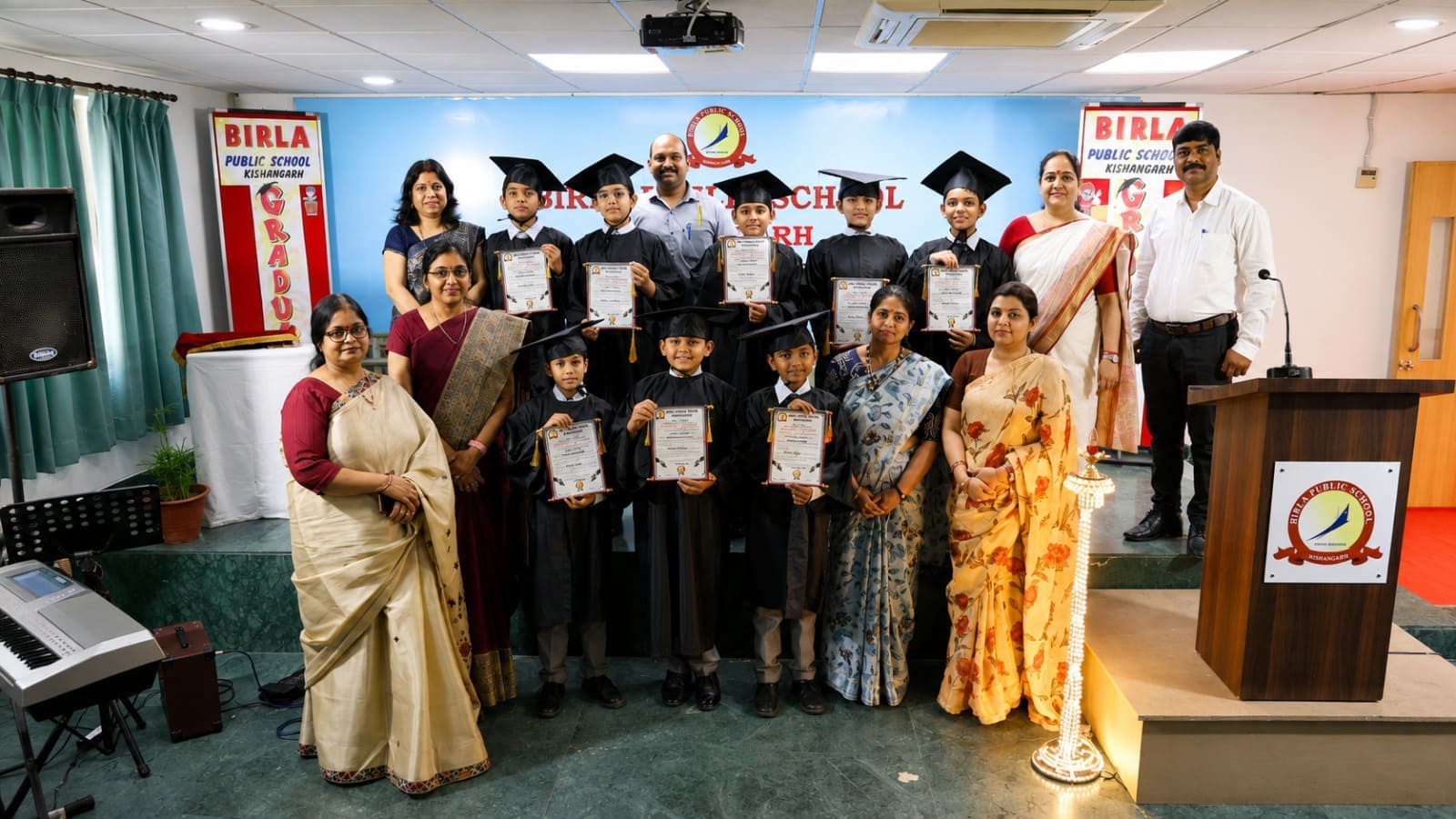
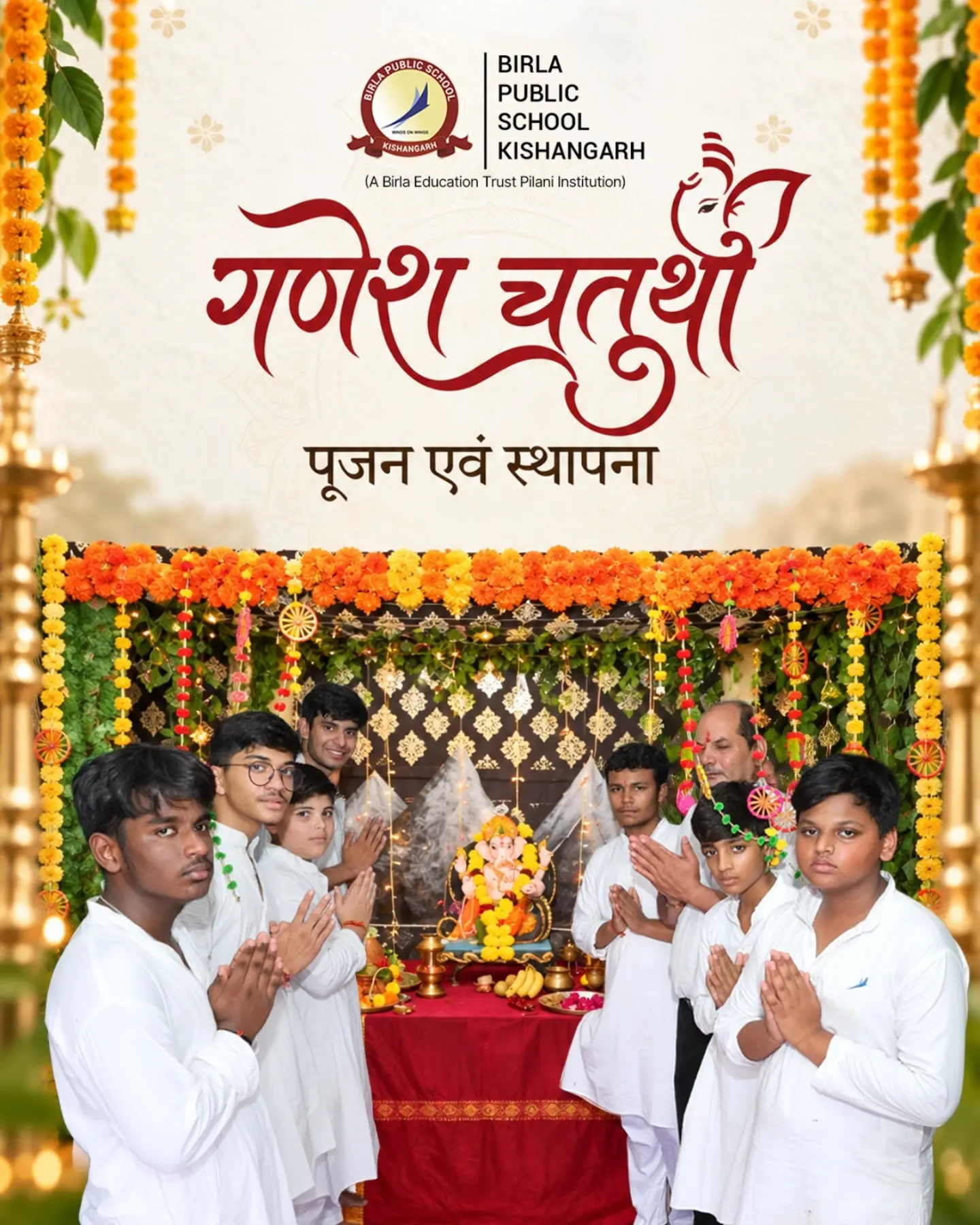
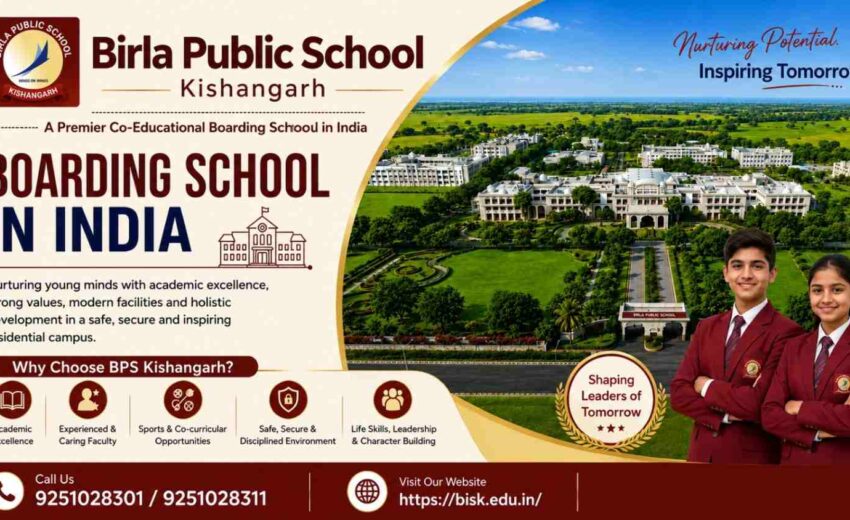
Schools such as Birla Public School Kishangarh provide a co-educational residential learning environment designed to combine academics with broader student development. The school is affiliated with CBSE at the Senior Secondary level and operates under Birla Education Trust.
Why Do Parents Consider Boarding Schools?
Modern boarding education is about much more than living away from home. A well-planned residential school can provide students with structured routines and opportunities to develop academically, socially, emotionally, and physically.
Parents may consider boarding education because it can offer:
- A structured daily routine
- Greater opportunities for independent learning
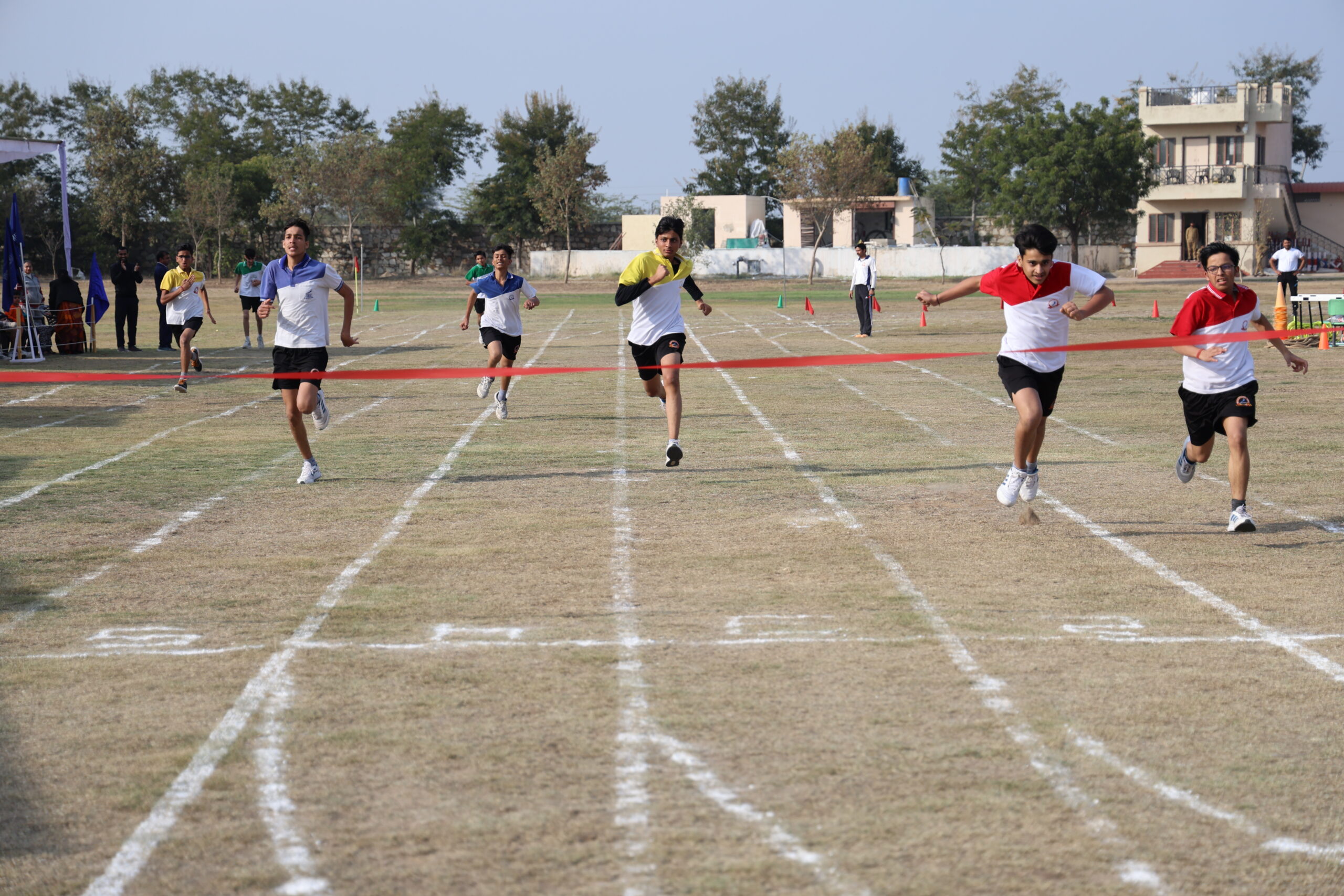
- Regular participation in sports and activities
- Interaction with students from different backgrounds
- Reduced everyday distractions
- Opportunities to develop responsibility
- Academic and pastoral support within the campus
- More time for co-curricular exploration
The benefits, however, depend on the individual child and the quality of the school environment.
Is Your Child Ready for a Boarding School in India?
Before applying to a residential school, parents should evaluate whether their child is comfortable with the idea of living away from home. Academic ability alone does not determine boarding-school readiness.
Consider the following factors:
1. Emotional Readiness
Ask yourself whether your child can spend extended periods away from family without experiencing overwhelming distress. Some initial homesickness is natural, but a child should gradually be capable of adjusting to a new environment.
Parents should openly discuss boarding life rather than presenting it as a punishment or forcing the decision without involving the child.
2. Level of Independence
Boarding life encourages students to manage everyday responsibilities within a structured system. Children may need to organize belongings, follow schedules, complete assignments, maintain personal hygiene, and participate in activities without constant parental reminders.
A child does not need to be completely independent before joining. However, a willingness to learn responsibility can make the transition easier.
3. Social Adaptability
Residential students spend considerable time with classmates and peers. They learn to communicate, cooperate, share spaces, resolve minor disagreements, and respect different personalities.
If your child enjoys meeting new people and participating in group activities, boarding life may provide valuable opportunities for social development.
4. Interest in Activities Beyond Academics
One advantage of residential schooling is the opportunity to participate consistently in sports, arts, clubs, competitions, leadership initiatives, and other co-curricular activities.
Parents should therefore explore whether the school’s opportunities match their child’s interests rather than focusing solely on examination performance.
How Boarding School Can Support Personal Development
A thoughtfully designed boarding environment can help students develop skills that extend beyond textbooks.
Independence and Responsibility
Living on campus gives students age-appropriate opportunities to make decisions and take responsibility for their routines. Over time, this may strengthen self-management and confidence.
Time Management
Boarding schedules usually allocate specific periods for academics, meals, recreation, activities, and rest. Following a consistent routine can teach students how to manage their time more effectively.
Communication and Teamwork
Living and learning alongside peers creates regular opportunities for collaboration. Sports, projects, clubs, house activities, and everyday residential life can strengthen communication and teamwork.
Resilience and Problem-Solving
Children cannot rely on parents to solve every small problem immediately. With appropriate adult guidance, they gradually learn to handle challenges and seek help when needed.
What Should Parents Look for in a Boarding School?
Selecting a Boarding School in India requires more than comparing rankings or promotional claims. Parents should personally evaluate the educational and residential environment wherever possible.
Important factors include:
- Academic approach: Understand the curriculum, teaching methods, subject options, assessment practices, and academic support.
- Boarding environment: Examine hostel arrangements, supervision, routines, cleanliness, and student support systems.
- Safety: Ask about campus security, medical support, emergency procedures, visitor policies, and student safeguarding.
- Pastoral care: Children living away from home need approachable adults who can support their emotional and social well-being.
- Sports and activities: Look for opportunities that support physical fitness, creativity, teamwork, and individual interests.
- Student-teacher interaction: Consider whether students receive adequate academic guidance and mentoring.
- Communication with parents: Understand how and when parents receive updates and communicate with their children.
- School culture: Most importantly, assess whether the school’s values and expectations align with your family’s educational priorities.
Birla Public School Kishangarh: A Residential Learning Environment
Birla Public School Kishangarh was established in 2010 under Birla Education Trust, Pilani. It is a co-educational residential institution in Kishangarh, Rajasthan. The CBSE SARAS database lists the institution as an independent Senior Secondary school affiliated with CBSE.
Its residential model aims to combine classroom education with experiences beyond academics. The Boarding Schools’ Association of India lists Birla Public School Kishangarh as a full member and identifies it as a co-educational CBSE school serving Classes V–XII.
For parents considering residential education, this kind of environment can be explored in terms of academics, boarding arrangements, student activities, pastoral care, and opportunities for personal development rather than evaluating any one feature in isolation.
Questions to Ask Before Making Your Final Decision
Before admission, parents can prepare a practical checklist and ask:
- Is my child genuinely comfortable with boarding?
- What supervision is available in residential houses?
- How does the school handle homesickness or adjustment difficulties?
- What medical support is available on campus?
- How frequently can parents communicate with their child?
- How are academic difficulties identified and addressed?
- What sports and co-curricular opportunities are available?
- What are the school’s safety and safeguarding procedures?
- What does a typical student’s daily routine look like?
- Can we visit the campus and understand the residential environment before admission?
Birla Public School Kishangarh, for example, publishes boarding-related resources and general instructions for parents. Its published guidelines outline designated parent-student meeting schedules and school routines, making it useful for prospective families to review such policies before admission.
Helping Your Child Adjust to Boarding School
Even a confident child may need time to settle into residential life. Parents can make the transition smoother by preparing them gradually.
- Discuss boarding life positively but realistically.
- Teach basic organization and personal-care skills beforehand.
- Encourage your child to ask teachers or house staff for help when needed.
- Avoid creating unrealistic expectations that every day will be exciting.
- Give your child time to form friendships and become familiar with routines.
- Maintain communication according to school policies without making the child overly dependent on frequent contact.
- Listen carefully when your child discusses genuine concerns.
The goal should be to support growing independence while ensuring the child knows that family support remains available.
So, Is Boarding School Right for Your Child?
There is no single answer that applies to every family. A boarding school may be suitable for a child who is ready for greater independence, enjoys structured routines, wants broader opportunities, and can gradually adapt to living within a residential community.
At the same time, parents should never choose boarding education simply because it is perceived as prestigious. The child’s emotional readiness, educational needs, personality, interests, and comfort should remain central to the decision.
When considering institutions such as Birla Public School Kishangarh, parents should visit the campus where possible, review official policies, understand the academic and boarding systems, discuss expectations with school representatives, and involve their child in the decision.
Ultimately, the right school is one that provides an environment in which your child can feel supported, challenged, secure, and motivated to grow.
Frequently Asked Questions
1. What is the right age to send a child to a boarding school in India?
There is no universally ideal age. Readiness depends on a child’s maturity, independence, emotional comfort, and ability to adjust to residential routines. Parents should also check the entry classes offered by individual schools.
2. What should parents check before choosing a boarding school?
Parents should evaluate academics, hostel supervision, safety, pastoral care, medical facilities, sports, extracurricular activities, communication policies, student routines, and the overall campus environment. Visiting the school before admission can provide valuable insight.
3. Is Birla Public School Kishangarh a CBSE boarding school?
Yes. Birla Public School Kishangarh is listed by CBSE as an affiliated Senior Secondary institution, and the Boarding Schools’ Association of India identifies it as a co-educational boarding school in Kishangarh, Rajasthan.