

Choosing the Best boarding schools in India is one of the most important educational decisions parents make. Unlike a day school, a boarding school becomes a student’s home away from home, combining academics, residential life, extracurricular activities, friendships, discipline, and personal development in one environment.
Parents searching for the Best boarding schools in India often begin by checking rankings, academic results, awards, and online reviews. These can provide useful information, but rankings alone cannot determine whether a particular school is the right choice for an individual child.
Every student has different learning preferences, interests, personality traits, and future goals. Therefore, when evaluating a Boarding School in India, parents should look beyond rankings and consider academic quality, holistic development, residential facilities, safety, student well-being, faculty support, and the overall school culture.
What Makes the Best Boarding School in India?
There is no single factor that makes a school suitable for every child. A strong boarding school should provide a balanced environment where students can learn, explore their interests, develop independence, and receive appropriate support.
1. Strong Academic Foundation
A strong academic foundation is an important part of a good boarding school. Parents should consider the curriculum, teaching methods, assessment system, academic resources, and opportunities for additional support.
Instead of focusing only on examination results, parents should look at whether students are encouraged to understand concepts, ask questions, solve problems, participate in discussions, and develop independent learning habits.
A well-structured academic programme should prepare students for examinations while also helping them develop skills that can support higher education and future careers.
2. Holistic Development
Education extends beyond textbooks and examinations. The Best boarding schools in India generally aim to support multiple areas of student development, including academics, sports, arts, communication, leadership, creativity, and social skills.
Students can benefit from opportunities such as sports competitions, music, art, theatre, debates, clubs, community service, and leadership activities.
A balanced educational environment allows students to discover their interests and develop abilities that may not be visible through academics alone.
3. Supportive Residential Environment
Boarding students spend a significant amount of their time on campus, making residential facilities an important consideration.
Parents should evaluate accommodation, cleanliness, dining facilities, supervision, recreation areas, study spaces, and daily routines.
A supportive residential environment should provide students with structure while also giving them opportunities to develop responsibility and independence.
4. Focus on Independence
One of the distinctive aspects of boarding education is the opportunity for students to become more independent.
Students may learn to manage their schedules, organize their belongings, follow routines, work with classmates, and take responsibility for different tasks.
Schools can encourage independence through house systems, leadership positions, student responsibilities, group projects, and extracurricular activities.
5. Safe and Inclusive Campus
Safety should be a priority when choosing a boarding school. Parents should understand the school’s security arrangements, visitor policies, emergency procedures, hostel supervision, and student safeguarding practices.
An inclusive campus should also promote mutual respect and provide an environment where students from different backgrounds can participate comfortably in school life.
6. Individual Attention
Individual attention can make a meaningful difference to a student’s educational experience. Parents should consider class sizes, teacher availability, academic support systems, and student mentoring.
Students may have different academic strengths and areas requiring improvement. A school that provides opportunities for personalized guidance can help students address their specific learning needs.
Choosing a School Based on Your Child’s Needs
Rather than selecting a school solely because it appears high in a ranking, parents should consider whether the school matches their child’s needs.
1. Consider Your Child’s Learning Style
Children learn in different ways. Some may prefer practical activities and projects, while others may respond well to structured classroom teaching.
Parents should understand their child’s learning preferences and look for schools that provide suitable teaching methods and learning opportunities.
2. Identify Academic Goals
Consider your child’s current academic level and future educational plans.
Parents should examine whether the school offers appropriate subject choices, academic support, competitive examination preparation where relevant, and opportunities for advanced learning.
3. Consider Personality and Independence
Not every child adjusts to boarding life at the same pace. Parents should consider whether their child is comfortable spending time away from home, sharing accommodation, following routines, and interacting with peers.
Schools with structured pastoral and mentoring systems may help students adjust to residential life.
4. Evaluate Interests Beyond Academics
A child’s interests should also be part of the school-selection process.
If a student enjoys cricket, football, swimming, music, art, theatre, technology, debate, or another activity, parents should check whether the school provides meaningful opportunities in those areas.
5. Think About Long-Term Development
Parents should consider how the school can support their child’s development over several years.
Leadership opportunities, communication skills, teamwork, problem-solving, community participation, and career guidance can all contribute to long-term development.
Faculty & Individual Attention
Teachers play an important role in both academic and residential education.
1. Experienced and Qualified Teachers
Parents should consider the qualifications, experience, and subject expertise of teachers. Experienced educators can provide structured academic guidance while adapting their approach to different learners.
2. Teacher-Student Interaction
A healthy teacher-student relationship can encourage students to ask questions and seek help when needed.
Parents can ask how teachers communicate with students outside regular classroom teaching and how academic concerns are addressed.
3. Mentorship and Guidance
Boarding students can benefit from mentors who provide academic and personal guidance. A house parent, tutor, or mentor may become an important point of contact for students living away from home.
4. Individual Academic Support
Students may occasionally struggle with particular subjects. Parents should ask whether the school provides remedial classes, additional practice, tutoring, doubt-solving sessions, or other academic support.
5. Career and Future Guidance
As students progress through secondary and senior secondary education, guidance regarding higher education and career options becomes increasingly important.
Parents can explore whether the school provides counselling, university guidance, career-awareness programmes, aptitude support, or opportunities to learn about different career paths.
Safety, Health & Student Well-Being
The physical and emotional well-being of students should be carefully considered before choosing a boarding school.
1. Campus Security
Parents should understand the school’s security arrangements, entry and exit procedures, visitor management, surveillance, and emergency protocols.
2. Hostel Supervision
Boarding houses should have appropriate adult supervision. Parents should ask about house parents, wardens, night supervision, student routines, and procedures for handling emergencies.
3. Medical Support
Parents should check whether the school has an on-campus medical facility, trained medical personnel, first-aid arrangements, and procedures for taking students to a healthcare facility when required.
4. Nutrition and Food Quality
Students need nutritious and balanced meals to support their growth, learning, and physical activities.
Parents should understand the school’s meal schedule, food preparation practices, hygiene standards, drinking water facilities, and how dietary requirements are handled.
5. Emotional Well-Being
Living away from family can sometimes be challenging. A boarding school should provide students with access to trusted adults, mentoring, counselling or appropriate emotional support.
Parents should ask how the school helps students deal with homesickness, academic pressure, social challenges, and adjustment to residential life.
6. Anti-Bullying Measures
Parents should understand the school’s policies for preventing and addressing bullying, harassment, discrimination, and other student-safety concerns.
A clear reporting mechanism and responsible adult supervision can help students feel more secure on campus.
How to Shortlist the Right Boarding School
After identifying potential schools, parents can use a systematic approach to narrow their options.
1. Create a Selection Checklist
Make a list of the factors that matter most to your family. This may include academics, location, boarding facilities, sports, safety, fees, curriculum, and student support.
2. Research the School’s Academic Approach
Look beyond examination results. Explore the curriculum, teaching methodology, learning resources, academic support, and opportunities for students to develop independent learning skills.
3. Evaluate Residential Facilities
Review hostel rooms, study areas, dining facilities, recreation spaces, hygiene, supervision, and daily routines.
4. Examine Safety and Student Support
Ask detailed questions about security, medical facilities, emergency procedures, counselling, hostel supervision, and anti-bullying policies.
5. Compare Activities and Facilities
Compare sports, arts, clubs, laboratories, libraries, technology resources, and other activities according to your child’s interests.
6. Consider the School’s Culture
Every boarding school has its own environment and values. Parents should understand the school’s approach to discipline, responsibility, teamwork, respect, and student independence.
7. Understand Fees and Inclusions
Boarding fees can include different services depending on the school. Parents should understand tuition, accommodation, meals, activities, uniforms, transportation, medical services, and other potential expenses before making a decision.
8. Visit Before Making the Final Decision
A campus visit can provide valuable insight into everyday school life. Parents can observe classrooms, boarding houses, dining facilities, sports areas, and the general campus environment.
9. Speak With the School
Parents should ask specific questions rather than relying only on brochures or websites. Questions about academics, residential life, student support, safety, activities, holidays, communication, and fees can help clarify expectations.
10. Prioritize the Right Fit Over Rankings
Rankings can be useful for creating an initial shortlist, but they should not be the final deciding factor.
A school may have excellent academic results but may not offer the activities or residential environment that suit a particular child. Another school may provide a more suitable combination of academics, sports, arts, personal development, and student support.
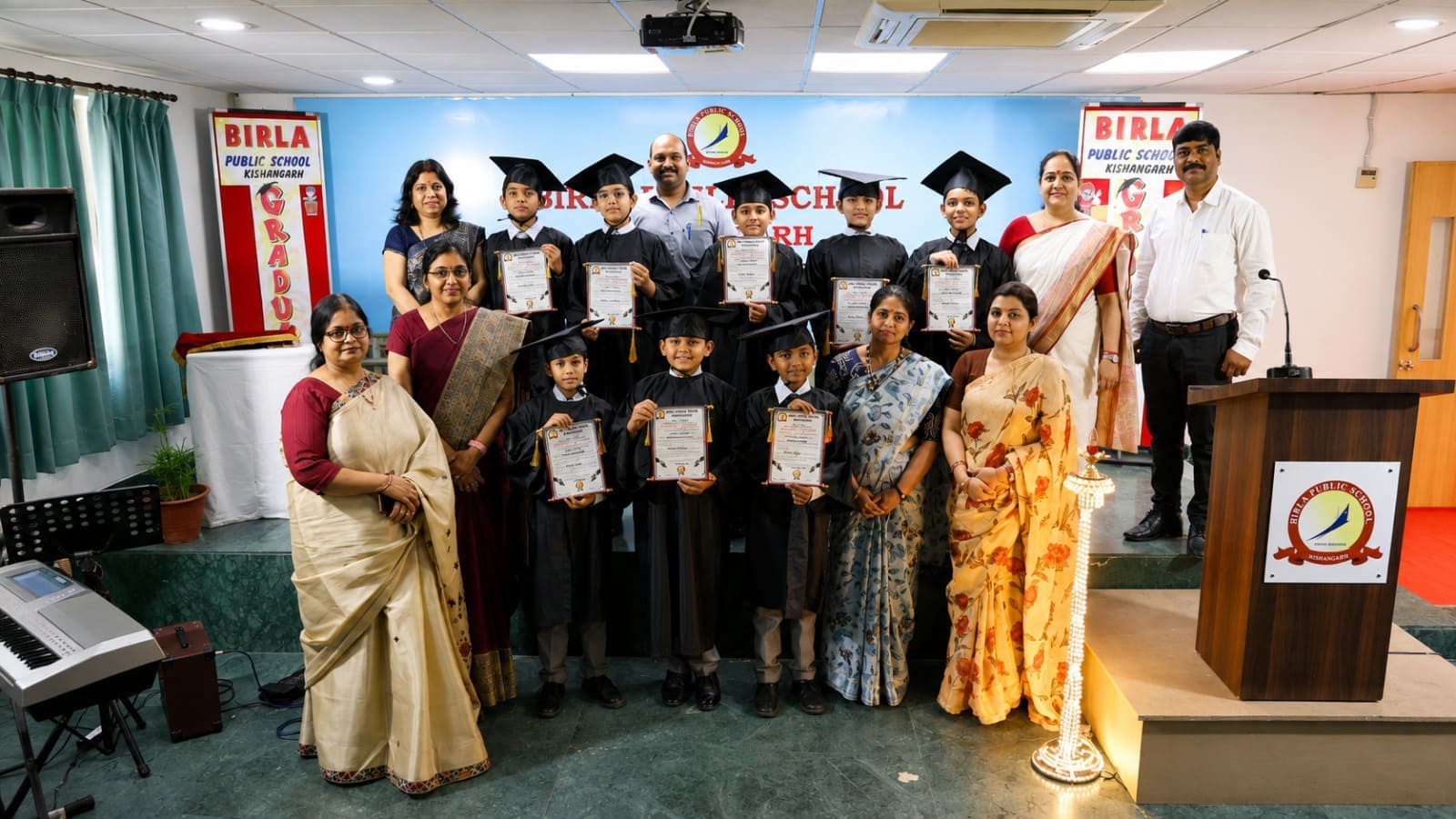
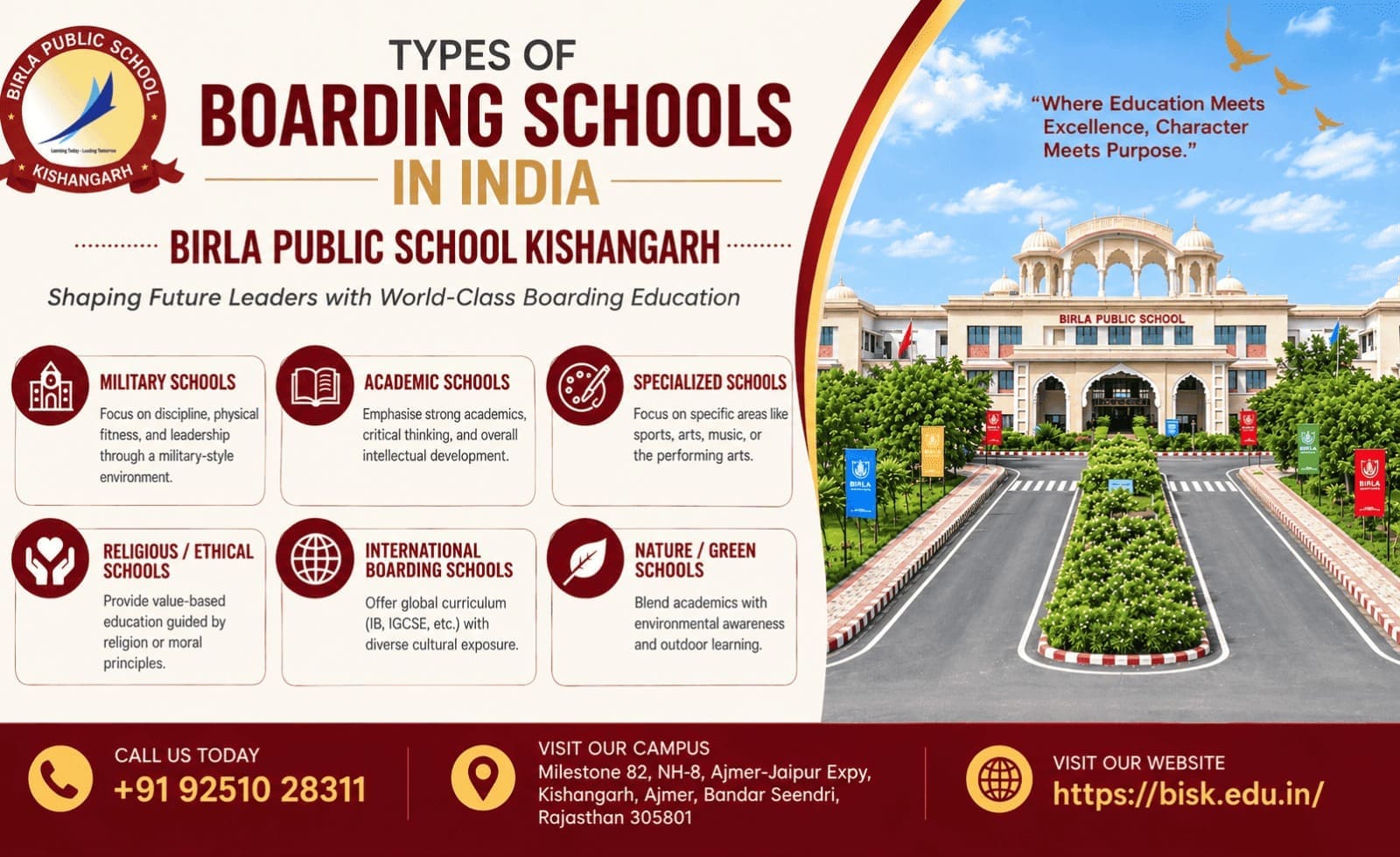
For example, parents considering Birla Public School Kishangarh can evaluate its academic approach, residential environment, extracurricular opportunities, student support, campus facilities, and overall educational philosophy alongside other schools they are considering.
The goal should be to find a school that matches the child’s needs rather than simply selecting a school because it appears at the top of a ranking.
Conclusion
Choosing among the Best boarding schools in India requires more than comparing rankings. A boarding school influences a child’s academic progress, daily routine, social development, independence, interests, and overall school experience.
Parents should consider academic quality, holistic development, residential facilities, faculty, individual attention, safety, health, emotional well-being, extracurricular activities, school culture, and long-term development.
Most importantly, the right Boarding School in India should align with the child’s personality, learning style, interests, and future goals. Rankings can provide a useful starting point, but careful research, campus visits, conversations with the school, and consideration of the child’s individual needs can help parents make a more informed decision.
FAQs
1. What should parents look for in the best boarding schools in India?
Parents should consider academics, faculty, residential facilities, safety, student well-being, extracurricular activities, sports, individual attention, school culture, fees, and opportunities for long-term development.
2. Are school rankings important when choosing a boarding school?
Rankings can be useful for initial research, but they should not be the only deciding factor. Parents should also consider whether the school’s environment and educational approach suit their child.
3. What makes a good Boarding School in India?
A good boarding school should provide a balanced environment combining academic learning, residential support, extracurricular activities, sports, personal development, safety, and opportunities for students to become more independent.
4. Is individual attention important in a boarding school?
Yes. Individual attention can help teachers identify students’ strengths and areas where they need additional academic or personal support.
5. What should parents check during a boarding school campus visit?
Parents can observe classrooms, hostels, dining facilities, sports areas, libraries, laboratories, security arrangements, cleanliness, and general student interaction. They can also ask questions about supervision, healthcare, academics, activities, and communication with parents.
6. How can parents know if a school is suitable for their child?
Parents should consider the child’s learning style, academic goals, personality, independence, interests, extracurricular preferences, and long-term educational plans. The best choice is usually the school that provides a suitable overall environment for the individual student.