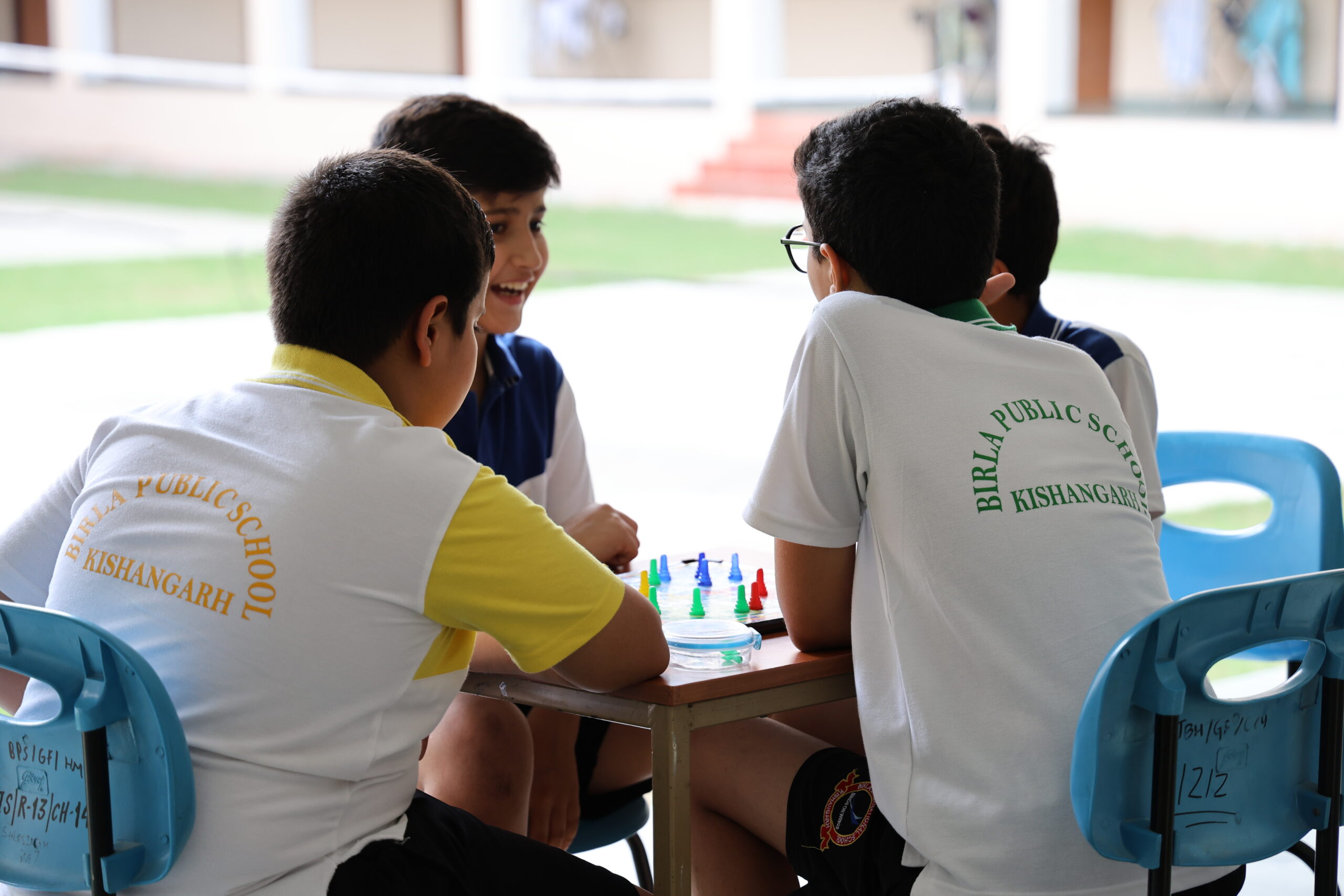


For decades, popular culture and Indian cinema painted a rigid, dramatic picture of residential education. Think of Taare Zameen Par or classic Bollywood dramas where a rebellious teenager is packed off to a strict hillside campus as a last resort when parents “cannot handle” them anymore. Because of these portrayals, a persistent myth took root: sending a child to a Boarding School in India is a punishment, a sign of parental detachment, or a disciplinary fix for troubled kids.
It is time to retire that outdated narrative. Modern residential education in India has undergone a massive transformation. Far from being rigid, punitive institutions, today’s campuses are vibrant ecosystems designed to nurture independence, emotional resilience, global leadership, and holistic excellence. Choosing a residential campus is no longer about sending a child away—it is about opening doors to opportunities that a standard 6-hour day school simply cannot match.
Where Did the “Punishment” Myth Come From?
To understand why this stereotype lingers, we have to look at history and media tropes. Post-independence, many legacy boarding institutions modeled themselves on strict colonial-era discipline, emphasizing rigid hierarchies and minimal parental contact. Bollywood amplified this image for emotional drama, turning the boarding school admission letter into an ultimatum for misbehaving children.
At the same time, joint families in India traditionally viewed raising children under one roof as the ultimate expression of love and duty. Naturally, sending a child away felt counterintuitive to many parents. However, as nuclear families, dual-income households, and global career demands have reshaped Indian society, the role of residential schooling has evolved from “strict supervision” to structured mentorship and holistic growth.
6 Reasons Why Modern Boarding Schools Empower Students
When parents explore the Best boarding schools in India today—whether in Dehradun, Mussoorie, Ajmer, Ooty, Bengaluru, or Pune—they are not looking for discipline through fear. They are investing in an environment built for 24/7 personal development.
1. True Independence and Life Readiness
Day scholars often rely on parents for daily reminders—waking up on time, packing bags, managing homework, and organizing schedules. In a residential setting, students learn self-reliance early. From managing their personal space and laundry to balancing study hours with sports, boarding students transition into college and adult life without the shock that many sheltered students face at 18.
2. Freedom from Distractions and Screen Overload
One of the biggest challenges for modern parents is managing excessive smartphone usage, social media scrolling, and chaotic urban commutes. A Boarding School in India replaces hours spent stuck in traffic with structured physical activity, face-to-face friendships, and digital detox policies. Students learn to engage deeply with books, hobbies, and real-world conversations.
3. Holistic Exposure Beyond Textbooks
In a conventional day school, extracurriculars like horse riding, robotics, theatre, classical music, swimming, or MUN (Model United Nations) often get squeezed into tight after-school windows—or skipped altogether due to tuition classes. Residential campuses integrate academics, athletics, and creative arts seamlessly into the daily timetable, allowing children to discover hidden talents without rushing across town.
4. Round-the-Clock Mentorship and Pastoral Care
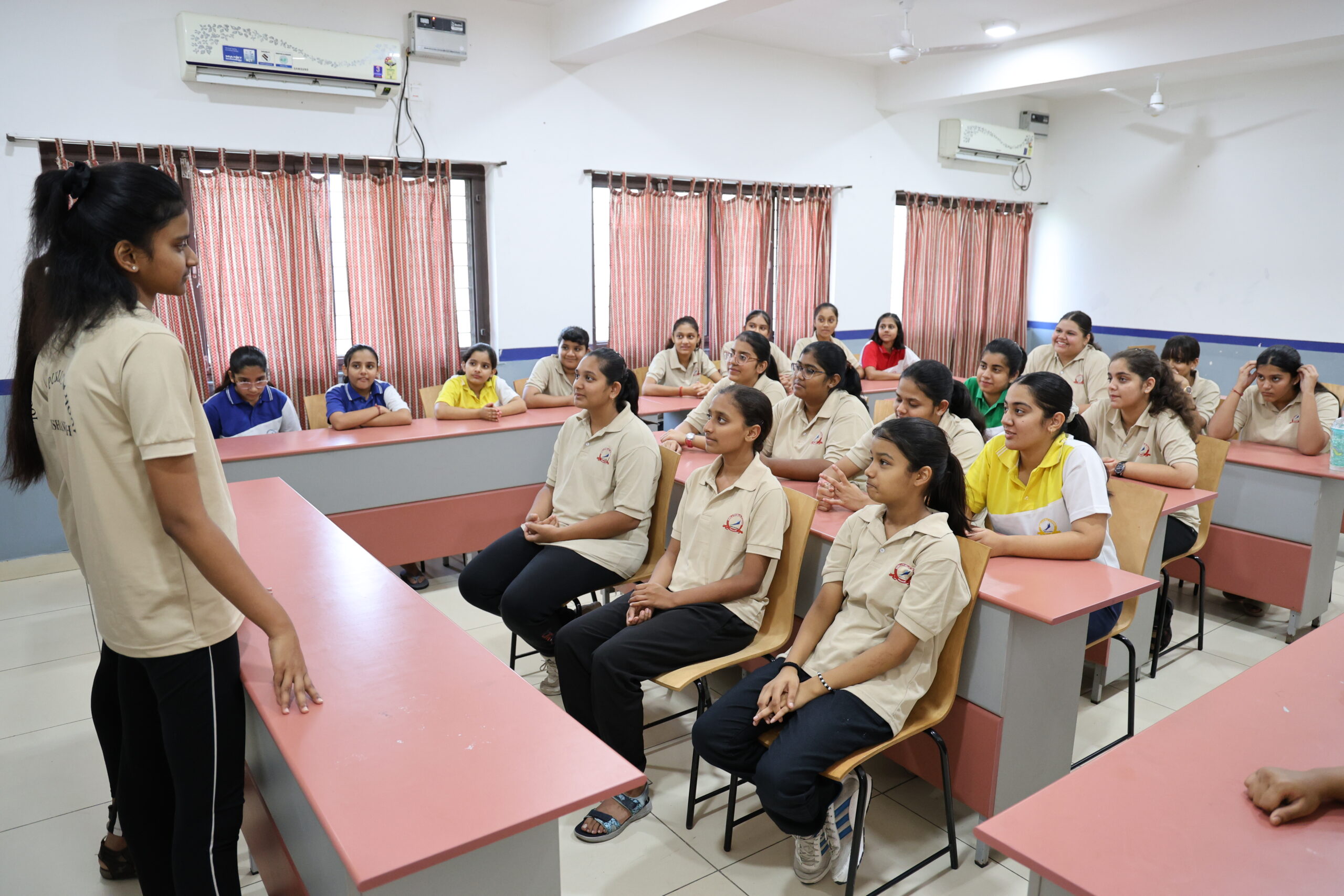
Contrary to the myth of lonely dormitories, the Top Boarding Schools in India prioritize emotional well-being through dedicated housemasters, matrons, student counselors, and small faculty-to-student ratios. Teachers live on campus, dine with students, and mentor them both inside and outside the classroom. Instead of feeling abandoned, students gain an extended family of mentors and lifelong peers.
5. Diversity and Cultural Empathy
Living alongside peers from across India—from Assam to Gujarat, Kashmir to Kerala—as well as international students teaches empathy, adaptability, and teamwork naturally. Children learn to respect different languages, festivals, and perspectives firsthand, building social intelligence that no textbook can teach.
6. Unmatched Academic Focus and Peer Motivation
Studying alongside motivated peers in supervised evening prep sessions eliminates the need for exhausting external coaching centers. Doubt-clearing happens right on campus with subject teachers, fostering healthy academic curiosity rather than rote exam panic.
Day School vs. Modern Boarding School: Shifting the Perspective
| Aspect | Traditional Stereotype | Modern Boarding Reality |
| Reason for Enrolling | Discipline or “fixing” bad behavior | Holistic development, leadership, and independence |
| Student-Teacher Bond | Strict, distant authority figures | Accessible mentors, houseparents, and counselors |
| Daily Routine | Regimental and restrictive | Balanced blend of academics, sports, arts, and rest |
| Parent Connection | Cut off from family | Regular calls, scheduled weekend visits, and parent portals |
| Peer Environment | Competitive and isolating | Collaborative, diverse, and community-driven |
How to Know If a Boarding School Is Right for Your Child
While boarding education offers tremendous advantages, it works best when chosen with the child rather than forced upon them. Before shortlisting the Best boarding schools in India, consider the following:
-
Involve Your Child in the Decision: Visit campuses together, tour the dormitories, interact with current students, and let your child experience the campus vibe firsthand.
-
Look at Pastoral Care: Ask how the school handles homesickness, mental wellness, nutrition, and medical emergencies.
-
Evaluate Co-Curricular Balance: Ensure the school matches your child’s temperament—whether they thrive in athletic programs, STEM labs, performing arts, or global curricula like IB and Cambridge alongside CBSE/CISCE.
-
Start at the Right Age: Many Indian families find Grades 6 to 9 to be the ideal window, when children are emotionally mature enough to embrace independence while still adaptable to new routines.
Frequently Asked Questions (FAQs)
1. Is sending a child to a boarding school in India still seen as a punishment?
Not anymore. While old Bollywood stereotypes still exist in casual conversation, modern Indian parents increasingly view residential schooling as a conscious investment in independence, leadership, and distraction-free holistic education.
2. At what age should a child join a boarding school in India?
While some schools accept students from Grade 3 or 4, educationists generally recommend Grades 6 to 9 (ages 11 to 14). At this stage, children are ready to build self-discipline, form deep peer friendships, and benefit from specialized sports and academic facilities.
3. How do the Top Boarding Schools in India handle homesickness?
Leading residential schools have dedicated houseparents, peer-buddy systems, and on-campus counselors who help new students settle in during the first few weeks. Structured routines, engaging evening activities, and scheduled parent calls help children adjust smoothly.
4. Are boarding schools better than day schools for overall personality development?
Both models have strengths, but a Boarding School in India offers an immersive 24-hour learning environment. Without daily commute fatigue and screen distractions, students consistently develop stronger time management, social confidence, teamwork, and adaptability.
5. How often can parents visit or talk to their children in residential schools?
Most modern boarding schools allow scheduled weekly phone or video calls, monthly weekend outings, and regular parent-teacher interactions, alongside long summer and winter vacations—ensuring family bonds remain strong and supportive.
Conclusion
A Boarding School in India is not a place where parents send children they cannot manage—it is a launchpad where young minds learn to manage themselves, lead others, and thrive in a complex world. By moving past outdated stereotypes and exploring what the Top Boarding Schools in India truly offer today, parents can make a decision rooted not in guilt or pressure, but in vision and empowerment. When chosen thoughtfully, boarding life does not distance a child from their family—it brings them back stronger, wiser, and ready for the future.