
Choosing the right educational path for a child is one of the biggest decisions an Indian family makes. While residential education has a proud legacy in India, countless parents still hesitate because of outdated stereotypes passed down through word-of-mouth and dramatic movie portrayals. These persistent Boarding School Myths often cloud judgment, stopping families from exploring environments that could unlock their child’s true potential.
In reality, modern residential campuses have evolved dramatically over the past two decades. Today, hubs like Ajmer, Pilani, and Jodhpur are home to some of the Best Boarding Schools in Rajasthan, combining centuries-old educational heritage with contemporary pastoral care, smart classrooms, and world-class sports infrastructure. Before ruling out a residential education for your child, let us separate cinematic fiction from modern reality by debunking seven common misconceptions.
1. Boarding Schools Are Only for “Problem” or Rebellious Children
Perhaps the most deeply rooted myth in Indian households is that residential schools act as reformatories or last-resort “correction centers” for children who misbehave or struggle academically at home.
The Reality: Modern residential campuses are selective, thriving academic communities built for ambitious, curious learners. Families actively choose residential schooling to give their children access to superior teaching faculties, distraction-free study hours, and specialized sports or arts coaching that local day schools simply cannot match. Admission into top institutions requires clearing competitive entrance assessments and interviews—proving these campuses attract motivated students rather than troublemakers.
2. Sending a Child Away Weakens Family Bonds
Many parents worry that living apart during formative teenage years will create emotional distance, making their child feel abandoned or detached from family values.
The Reality: Distance often strengthens communication rather than eroding it. When children live at home, daily interactions frequently revolve around mundane reminders—finishing homework, putting away phones, or waking up on time. In a boarding setup, the school manages daily discipline while parents step into the role of supportive mentors and emotional anchors. Scheduled weekly phone and video calls, parent portals, campus visiting days, and long summer and festival breaks ensure families stay closely connected, making every conversation and holiday together far more meaningful.
3. Hostel Life Is Harsh, Military-Strict, and Joyless
Old stories of strict wardens, rigid bells, and fear-based discipline still make parents picture boarding life as a joyless, regimented boot camp.
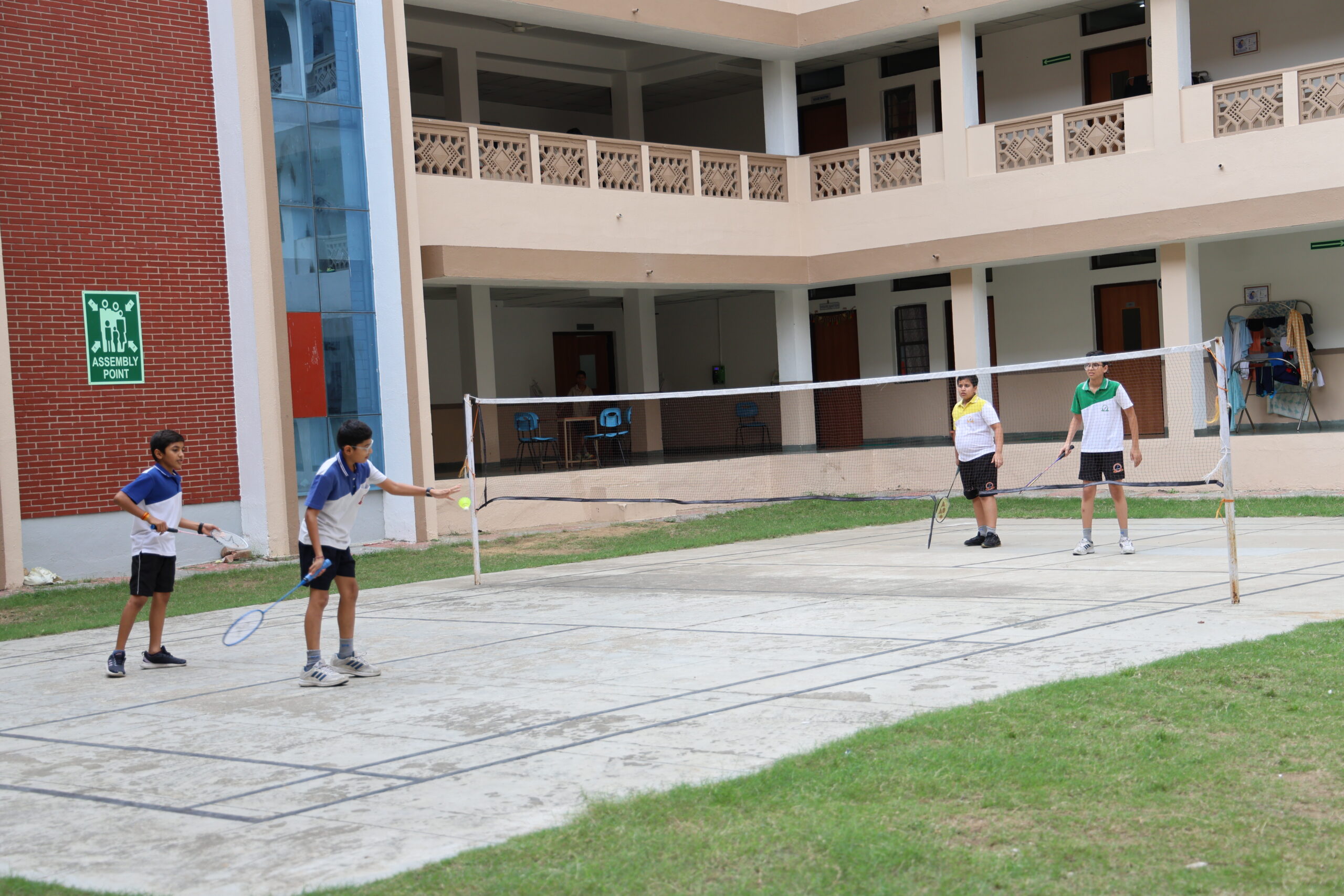
The Reality: Contemporary residential schools have replaced fear-based control with “guided structure”. While students follow a healthy routine—waking up early, attending classes, playing evening sports, and completing supervised prep hours—the atmosphere is warm and supportive. Dedicated house parents, residential tutors, and full-time counselors act as approachable guides. Weekends are packed with hobby clubs, movie nights, inter-house cultural competitions, and excursions, ensuring students enjoy a vibrant, balanced childhood.
4. Boarding Schools Are Only for the Ultra-Wealthy
Because a handful of heritage institutions charge premium fees, many middle-class families automatically assume residential education is completely beyond their financial reach.
The Reality: While elite legacy campuses do command higher tuition, the Best Boarding Schools for Indian Students in Rajasthan and across the country span a wide spectrum of fee structures. Many reputed CBSE residential schools offer annual packages between ₹2 lakh and ₹5 lakh—which often proves comparable to paying for a top metro day school, private tuitions, daily transport, and external sports academies combined. Furthermore, numerous institutions offer merit-based scholarships, entrance exam concessions, and sibling discounts.
5. Students Feel Lonely and Isolated
Parents naturally fear that their child will spend nights crying in a dorm room, overwhelmed by homesickness and isolation.
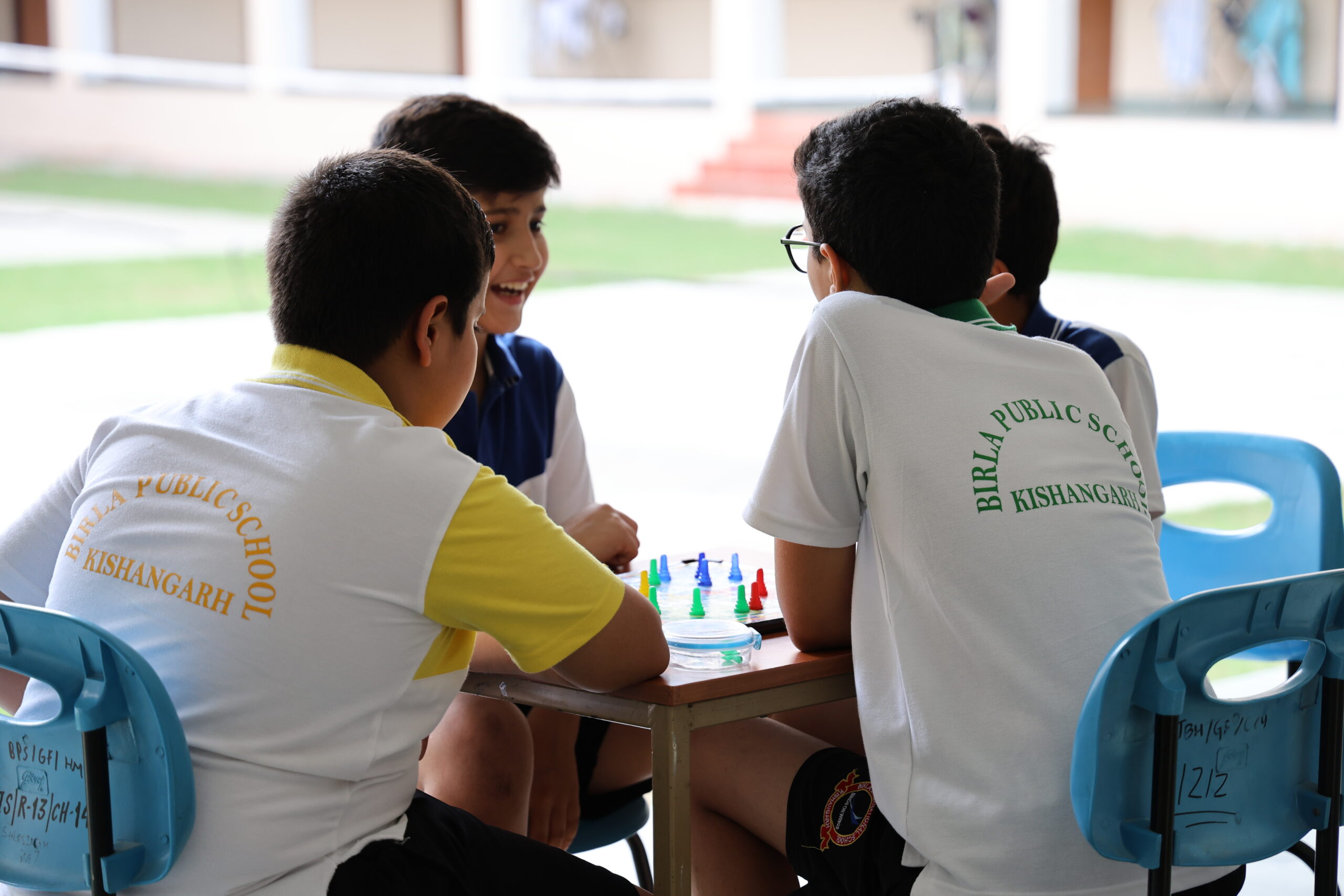
The Reality: Mild homesickness during the first two weeks is completely normal, but prolonged loneliness is rare on a residential campus. Unlike day scholars who return home to empty houses or screen time, boarding students live in a tight-knit community of peers. Sharing dormitories, dining halls, and playing fields fosters lifelong friendships and a powerful sense of camaraderie. Housemasters and senior student prefects actively help newcomers integrate, ensuring every child feels part of an extended family.
6. Residential Schools Focus Only on Books and Exams
Another common assumption is that boarding schools operate like exam factories, forcing students to study all day at the expense of personality development.
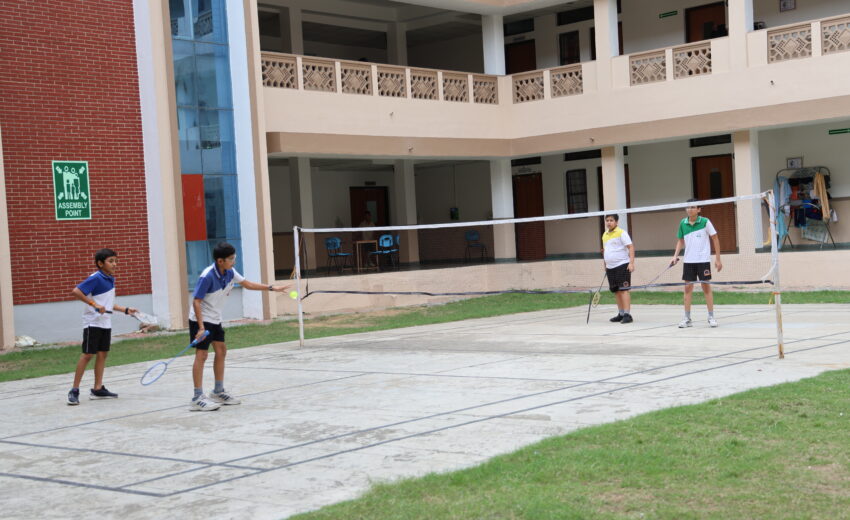
The Reality: Holistic education is the biggest strength of a residential campus. Because students do not waste two to three hours every day commuting in city traffic, they gain extra hours for physical and creative pursuits. Morning fitness drills, afternoon athletics—ranging from horse riding and swimming to cricket and basketball—and evening clubs in robotics, debate, music, and theatre are built right into the timetable. This balanced schedule produces confident, articulate graduates rather than rote learners.
7. Campuses Are Unsafe Without Parental Supervision
Safety is a top priority for every parent, and the thought of entrusting a child’s physical well-being and health to an institution can trigger anxiety.
The Reality: Reputed residential schools operate with rigorous, round-the-clock safety protocols that often surpass what children experience in busy urban neighborhoods. Campuses feature 24/7 security guards, CCTV monitoring in common zones, strict visitor verification, and separate, heavily supervised dormitories for boys and girls. On-campus infirmaries staffed by qualified nurses and resident doctors—backed by tie-ups with nearby multi-specialty hospitals—ensure immediate medical attention whenever needed.
Frequently Asked Questions (FAQs)
1. What is the right age to send a child to a boarding school in India?
Most educators recommend Grade 5 or Grade 6 (around ages 10 to 12) as an ideal starting point. By this age, children have developed basic self-care habits, emotional readiness, and adaptability, allowing them to settle smoothly into hostel routines before high school academic pressure begins.
2. Why are the Best Boarding Schools in Rajasthan so popular among Indian families?
Rajasthan boasts an unmatched educational legacy with iconic institutions in Ajmer, Pilani, Jodhpur, and Mount Abu. Parents prefer the Best Boarding Schools for Indian Students in Rajasthan because they offer sprawling, pollution-free campuses, strong CBSE and international curricula, disciplined yet nurturing pastoral care, and diverse peer groups from across India and abroad.
3. How often can parents visit or speak with their child?
Most schools schedule fixed weekend phone or video calls so parents can catch up without disrupting weekday classes. Additionally, families can visit during designated parent-teacher meetings, annual functions, sports days, and mid-term breaks, alongside extended summer, Diwali, and winter vacations.
4. How do boarding schools handle bullying and emotional stress?
Leading residential campuses enforce strict zero-tolerance anti-bullying policies. Dedicated house parents live within the hostel blocks to supervise daily interactions, while certified school counselors conduct regular wellness check-ins and provide confidential one-on-one support whenever a student feels overwhelmed.
Conclusion
Letting go of outdated Boarding School Myths allows parents to evaluate residential education with clarity rather than fear. Modern boarding campuses are neither punitive boot camps nor isolating institutions; they are vibrant, secure ecosystems designed to nurture independence, resilience, and all-round excellence. Whether you are exploring heritage campuses or modern co-educational institutions among the Best Boarding Schools in Rajasthan, visiting the campus in person, speaking with house parents, and involving your child in the conversation will help you make a confident, informed choice for their future.