

For decades, many parents and educators viewed athletics and academics as competing priorities—assuming that every hour spent on the football field or swimming pool was an hour taken away from textbooks. Modern neuroscience and educational psychology have turned that assumption upside down. Today, progressive educators recognize that physical activity does not distract from studies; rather, structured daily sports routines are one of the most reliable catalysts to improve academic performance.
From sharper classroom concentration to stronger emotional resilience during board examinations, regular physical training rewires the developing brain for sustained intellectual achievement. This holistic philosophy is particularly evident across top boarding schools in India, where structured campus schedules seamlessly blend rigorous academics with compulsory morning and evening athletic programs.
The Neuroscience Behind Movement and Learning
When a student engages in consistent aerobic exercise or skill-based sports, the brain undergoes measurable physiological changes that directly support learning and memory retention.
1. Increased Cerebral Blood Flow and Oxygenation
Physical exertion elevates heart rate, pumping oxygen-rich blood and essential nutrients to the brain. Enhanced circulation stimulates the prefrontal cortex—the command center responsible for executive functions such as planning, problem-solving, decision-making, and impulse control.
2. Release of Brain-Derived Neurotrophic Factor (BDNF)
Often referred to as “fertilizer for the brain,” BDNF is a protein triggered by regular physical movement. It supports the survival of existing neurons and encourages the growth of new neural connections in the hippocampus, the region critical for long-term memory and spatial learning.
3. Neurochemical Balance for Focus and Mood
Sports naturally regulate key neurotransmitters:
-
Dopamine: Boosts motivation, reward processing, and sustained attention during complex lectures.
-
Norepinephrine: Sharpens alertness and cognitive processing speed.
-
Serotonin and Endorphins: Lower cortisol (stress hormone) levels, reducing exam anxiety and preventing academic burnout.
Key Ways Daily Sports Routines Improve Academic Performance
Beyond brain chemistry, participating in athletics every day cultivates behavioral habits that translate directly into stronger grades and classroom engagement.
Enhanced Attention Span and Classroom Focus
Students who follow structured daily sports routines expend excess physical energy constructively, allowing them to sit calmly and absorb information during academic periods. Studies consistently show that even 45 to 60 minutes of moderate-to-vigorous daily activity improves selective attention, helping students filter out distractions while studying or writing exams.
Superior Time Management and Self-Discipline
Student-athletes operate on tight schedules. Balancing early morning conditioning, academic classes, evening practice, and prep hours forces learners to prioritize tasks and eliminate procrastination. Because their free time is structured, they learn to study with greater intensity and efficiency.
Resilience and Growth Mindset
Sports teach students how to handle setbacks in real time—whether missing a crucial penalty kick, losing a tennis match, or correcting a technical flaw in swimming. Learning to analyze mistakes, accept coaching feedback, and bounce back builds grit. When faced with a difficult calculus problem or a disappointing test score, physically active students treat failure as temporary feedback rather than a permanent limitation.
Better Sleep Quality and Memory Consolidation
Deep, restorative sleep is when the brain consolidates newly learned academic concepts into long-term memory. Regular physical activity regulates circadian rhythms, helping students fall asleep faster and spend more time in slow-wave sleep—resulting in higher morning alertness and better recall.
Why Structured Campus Environments Maximize Athletic and Academic Synergy
While day-school students often struggle to fit sports around long commutes and fragmented schedules, residential campuses eliminate logistical friction. At top boarding schools in India, athletics are not treated as an optional weekend hobby; they are woven into the daily timetable alongside science labs and library hours.

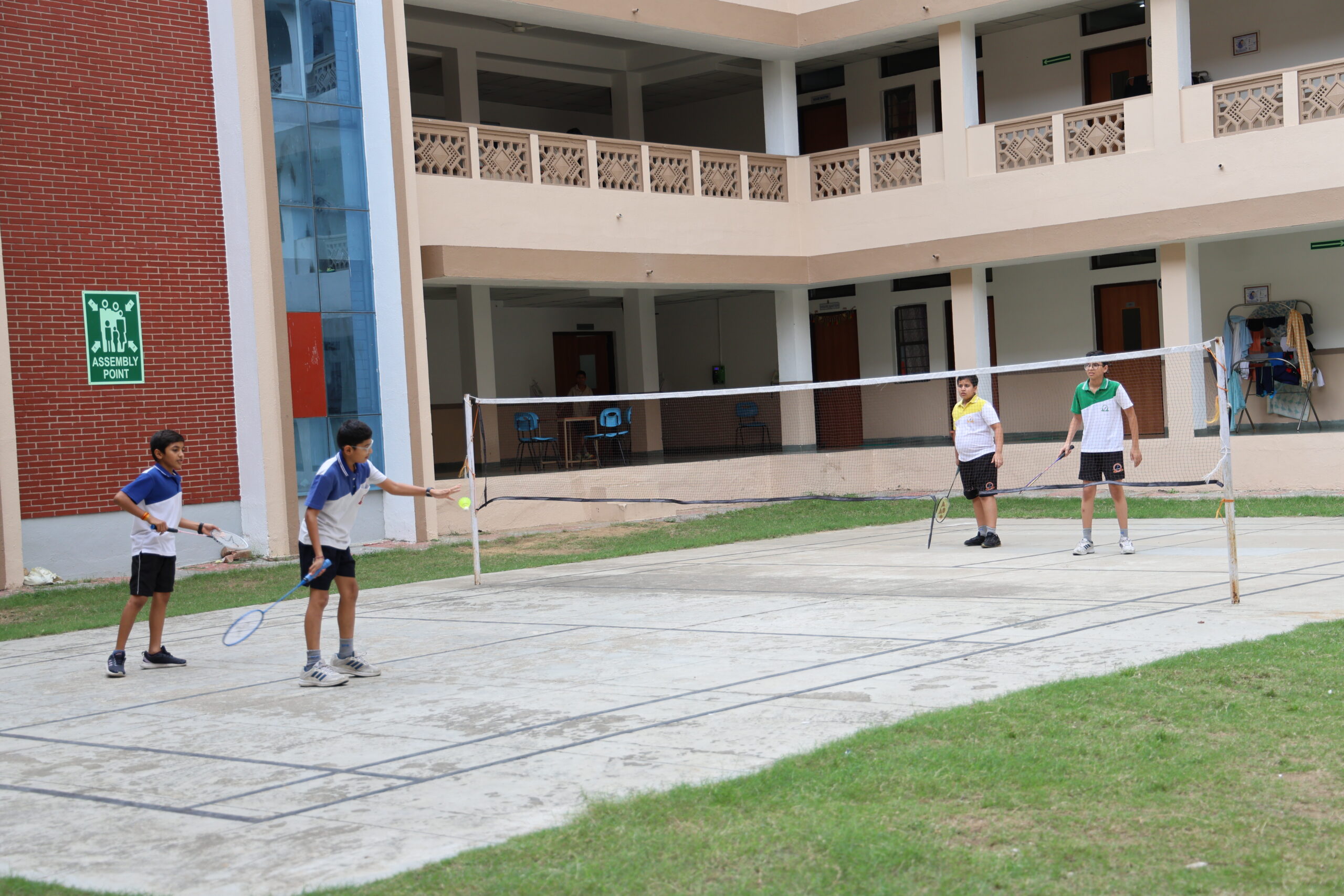
In a well-balanced co-ed boarding school in India, boys and girls train side by side across diverse disciplines—from athletics, basketball, and cricket to swimming, badminton, and equestrian sports. Having dedicated coaches, nutrition-monitored dining halls, and on-campus sports complexes ensures that students maintain uninterrupted daily sports routines throughout the academic year without sacrificing study time.
| Campus Routine Element | Athletic Impact | Academic Benefit |
| Morning Conditioning (6:00 AM – 7:00 AM) | Builds cardiovascular stamina and alertness | Primes the brain for peak focus in morning classes |
| Structured Academic Blocks | Enforces mental discipline and routine | Maximizes productivity during high-energy hours |
| Evening Team Sports (4:30 PM – 6:00 PM) | Develops teamwork, agility, and leadership | Relieves daily cognitive fatigue and exam stress |
| Supervised Evening Prep | Encourages recovery and time discipline | Reinforces consistent revision and homework completion |
Practical Tips for Building Effective Daily Sports Routines for Students
Whether a student studies at a residential campus or attends a day school, consistency matters far more than extreme intensity. Parents and educators can help students improve academic performance through movement by following a few core principles:
-
Prioritize Consistency Over Weekend Marathons: Forty-five minutes of daily physical activity delivers far greater cognitive benefits than a single three-hour session on Sundays.
-
Mix Aerobic Exercise with Skill-Based Sports: Running and swimming build cardiovascular endurance and BDNF levels, while racquet sports, football, and martial arts challenge hand-eye coordination, spatial awareness, and split-second tactical thinking.
-
Avoid Cutting Sports During Exam Months: Exam season is precisely when students need stress regulation and mental clarity the most. Shortening practice slightly while keeping daily movement intact prevents cognitive fatigue.
-
Pair Physical Training with Proper Hydration and Nutrition: Growing student-athletes require balanced carbohydrates, lean proteins, and adequate hydration to fuel both muscular recovery and sustained mental concentration.
Frequently Asked Questions (FAQs)
1. How many minutes of daily sports are needed to improve academic performance?
Most pediatric and educational research indicates that 45 to 60 minutes of moderate-to-vigorous physical activity each day is optimal for boosting concentration, memory retention, and mood regulation in school-aged children and teenagers.
2. Does playing sports every day make students too tired to study?
Initially, a student adjusting to a new routine may feel mild physical fatigue. However, within two to three weeks, regular exercise increases overall stamina, improves sleep architecture, and boosts daytime energy levels, making study sessions noticeably more productive.
3. Which sports are best for enhancing cognitive skills and focus?
All physical activities benefit brain health, but sports requiring continuous strategy, coordination, and rapid decision-making—such as basketball, badminton, football, table tennis, and swimming—are especially effective at strengthening executive function and attention span.
4. How do top boarding schools in India balance sports with board exam preparation?
Top boarding schools in India follow fixed daily schedules where morning conditioning, daytime academics, evening sports, and supervised night prep each have dedicated slots. This eliminates commute time and teaches students disciplined time management well before high-stakes board examinations arrive.
5. What advantages does a co-ed boarding school in India offer for student-athletes?
A co-ed boarding school in India fosters an inclusive, competitive, and mutually supportive athletic culture where both boys and girls receive equal access to professional coaching, modern sports infrastructure, and leadership opportunities on and off the field.
Conclusion
Academic excellence is not built solely behind a desk—it is powered by a healthy, energized, and disciplined mind. When students commit to daily sports routines, they gain far more than physical fitness; they unlock sharper focus, stronger memory recall, emotional stability, and the resilience needed to thrive under pressure. By embracing educational environments—such as top boarding schools in India—that champion both intellectual rigor and daily athletic training, students develop the habits required to improve academic performance and succeed long after graduation.