
How a Co-Ed Residential School in Rajasthan Creates a Balanced Learning Experience
Education is not limited to textbooks, examinations, and classroom lessons. A child’s school years also shape communication skills, confidence, independence, discipline, friendships, values, and the ability to work with others. Residential education brings many of these experiences together by creating an environment where students learn, live, participate, and grow within one community.
A Co-Ed Residential School in Rajasthan provides boys and girls with opportunities to study and participate in school life together while experiencing the structure and responsibilities of residential living. Birla Public School Kishangarh follows this approach by combining academics with sports, co-curricular activities, residential routines, life skills, and opportunities for personal development.
For parents exploring residential education, understanding how this environment contributes to a child’s overall development can help them make a more informed decision.
What Is a Co-Ed Residential School?
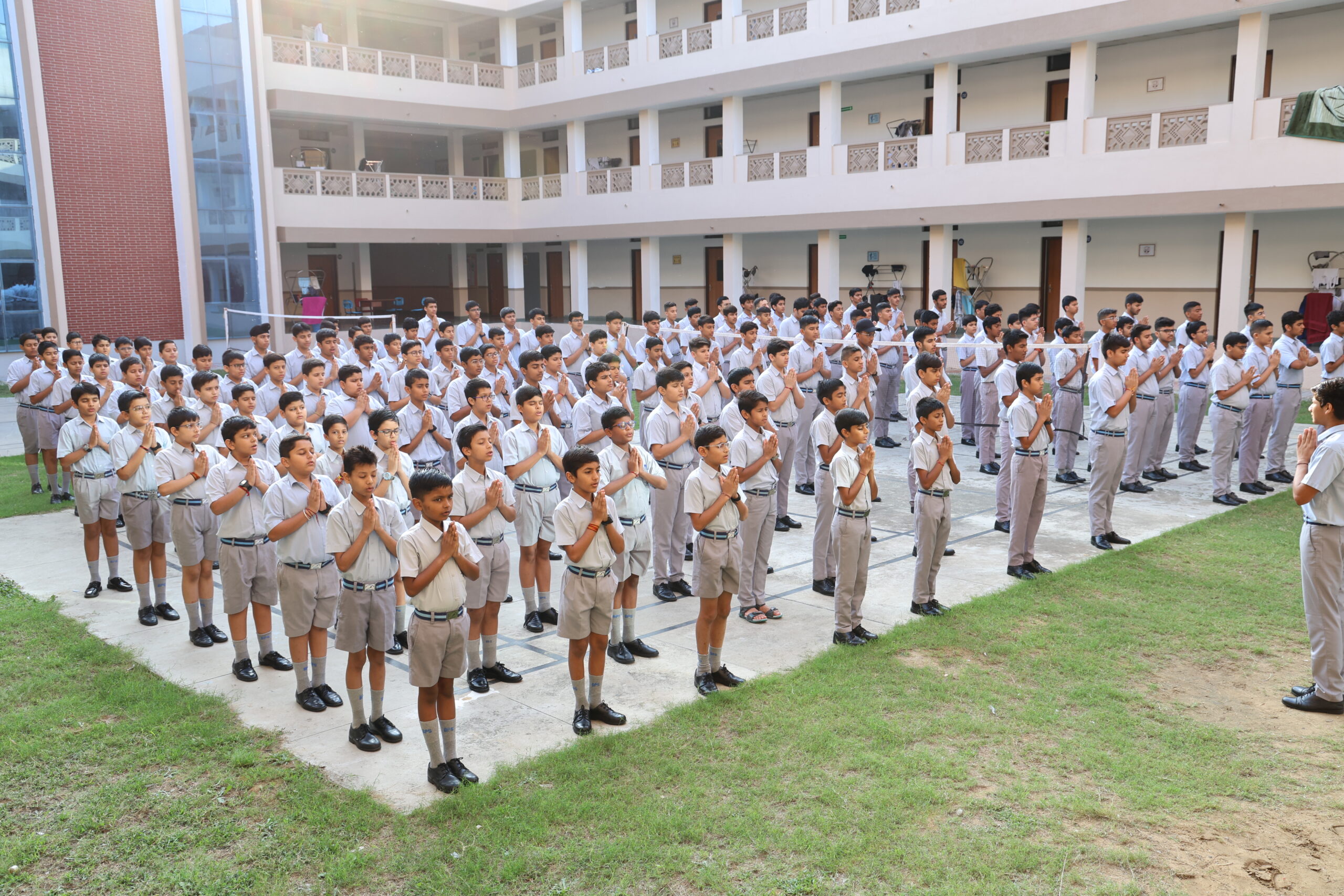
A co-educational residential school provides education to both boys and girls while also offering boarding facilities. Students live on campus according to structured routines that generally include classroom learning, supervised study, meals, sports, activities, recreation, and rest.
Unlike a conventional day school, the learning experience continues beyond classroom hours. Students interact with peers, teachers, mentors, and residential staff throughout the day.
Some important elements of residential education include:
- Structured academic schedules
- Supervised study periods
- Sports and physical activities
- Clubs and co-curricular opportunities
- Residential routines
- Peer interaction
- Leadership opportunities
- Personal responsibility
- Social and communication development
The objective is to provide an environment where academic learning and personal growth can progress together.
Learning Together in a Co-Ed Residential School in Rajasthan
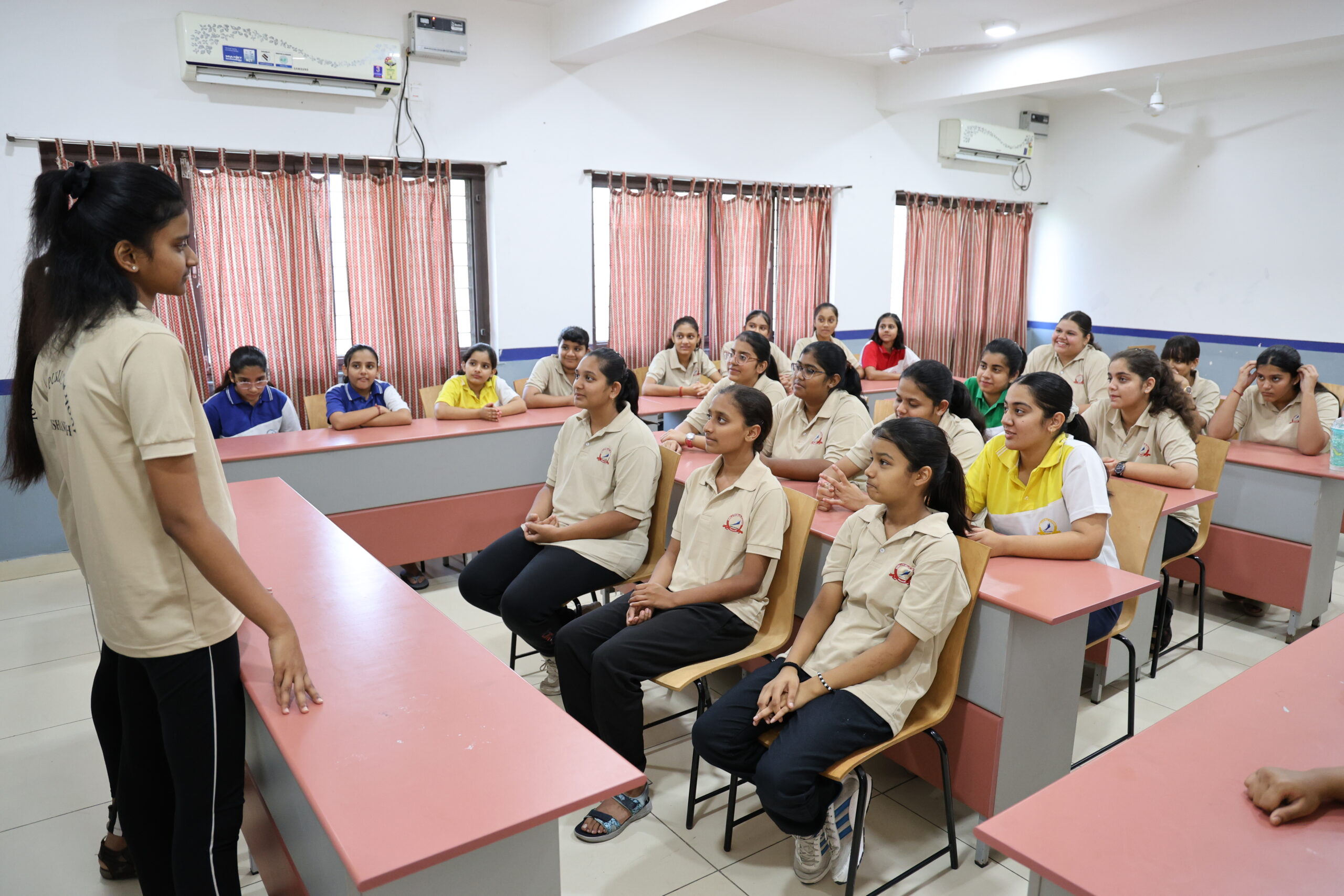
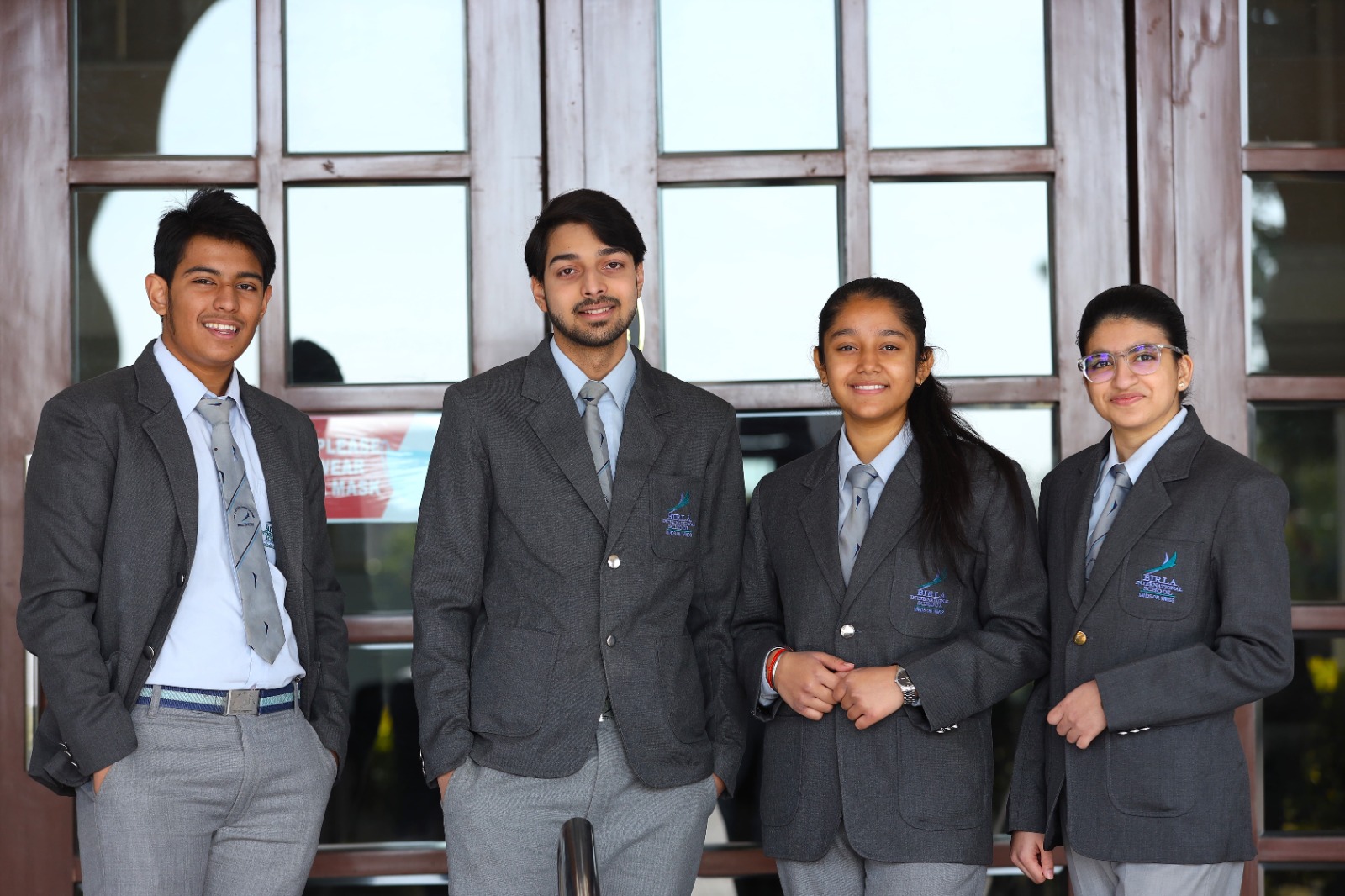
Co-education can provide students with opportunities to learn alongside peers with different perspectives, personalities, interests, and abilities. When appropriately managed, such an environment can encourage mutual respect, collaboration, and healthy communication.
1. Learning Through Collaboration
Group projects, classroom discussions, competitions, sports, and activities encourage students to exchange ideas and work toward shared goals.
Through collaborative learning, students can develop:
- Communication skills
- Teamwork
- Listening abilities
- Respect for different viewpoints
- Problem-solving skills
- Confidence in expressing ideas
These abilities can remain useful well beyond school.
2. Building Mutual Respect
A positive co-educational environment can help students learn to interact respectfully and naturally with one another. They become accustomed to collaborating based on skills, responsibilities, interests, and shared objectives.
Schools also play an important role in teaching appropriate behaviour, boundaries, empathy, and respect.
3. Preparing Students for Diverse Environments
Universities, workplaces, and communities involve people from different backgrounds. Learning in a diverse school community can help students become more comfortable communicating and collaborating with others.
This exposure can contribute to greater social awareness and adaptability.
Living Together: What Residential Life Teaches Students
Residential school life introduces children to responsibilities that may be different from those they experience at home.
Students gradually learn to manage their schedules, belongings, studies, activities, and everyday responsibilities within a supervised environment.
Independence
Living away from home can encourage age-appropriate independence. Students learn to complete routine tasks without depending on parents for every reminder.
Time Management
Residential schedules generally include designated times for classes, study, meals, sports, activities, recreation, and sleep.
Following a routine can help students understand:
- How to prioritize tasks
- How to complete assignments on time
- How to balance academics and activities
- Why consistency matters
- How to use free time responsibly
Responsibility
From maintaining personal belongings to arriving at activities on time, small daily responsibilities can contribute to greater self-management.
Independence does not mean students are left without support. A responsible residential environment combines increasing independence with appropriate supervision and guidance.
Growing Beyond Academics
One of the potential advantages of a Co-Ed Residential School in Rajasthan is the opportunity for students to participate regularly in activities outside the classroom.
Holistic development may include several areas.
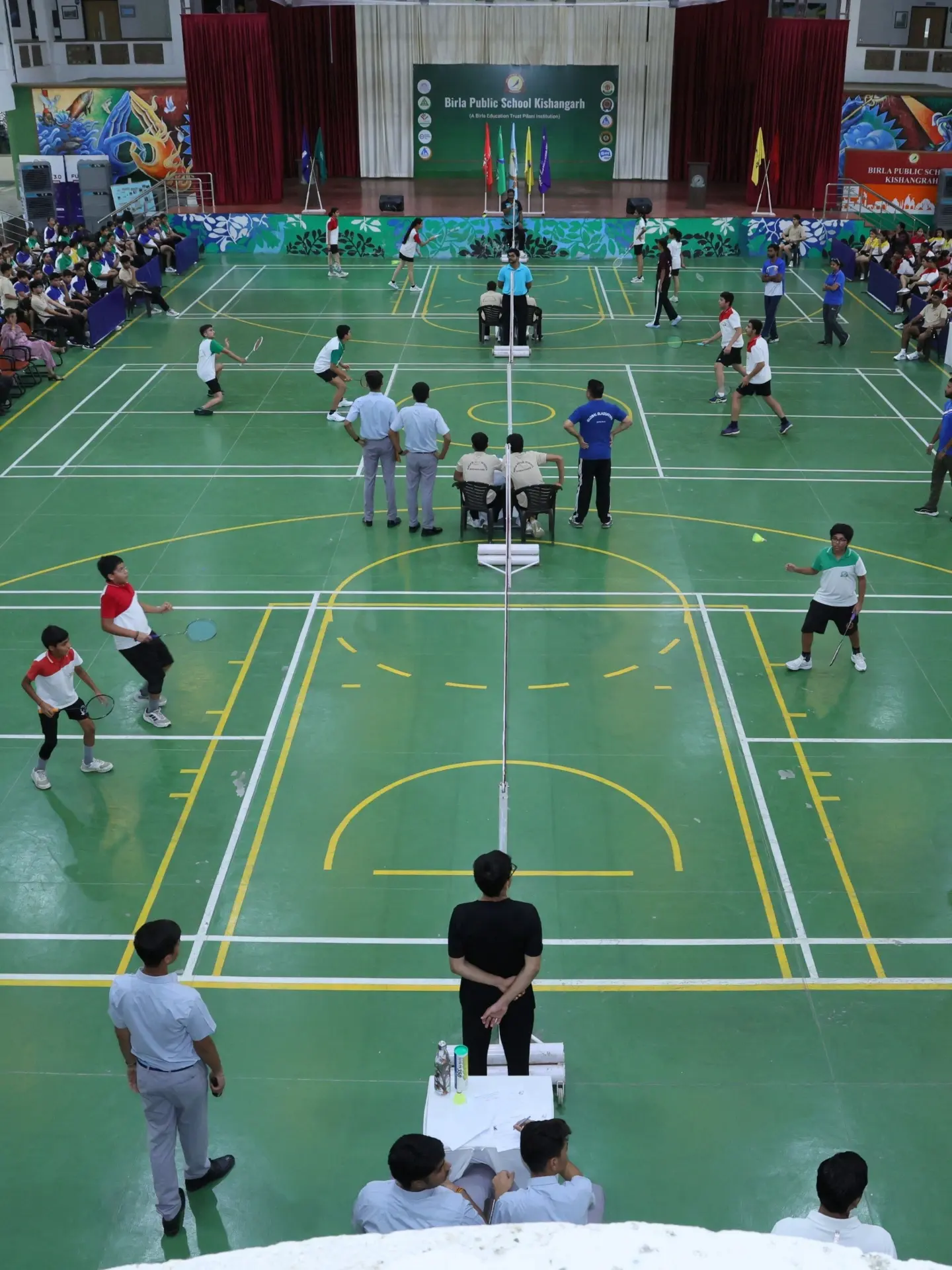
Sports and Physical Development
Regular sports and physical activity can support fitness while teaching teamwork, perseverance, discipline, and sportsmanship.
Students may also discover sporting interests that they might not otherwise have had an opportunity to explore consistently.
Arts and Creative Activities
Music, art, theatre, debates, public speaking, literary activities, and other creative opportunities allow students to express themselves in different ways.
Participation can also improve confidence and communication.
Leadership Opportunities
House systems, student councils, clubs, sports teams, school events, and group activities can provide opportunities to take responsibility.
Leadership at school is not only about holding a formal position. It also involves:
- Taking initiative
- Supporting teammates
- Communicating responsibly
- Making thoughtful decisions
- Accepting accountability
- Learning from mistakes
These experiences can gradually prepare students for responsibilities beyond school.
Developing Friendships and Social Skills
Residential students spend considerable time together, which can lead to meaningful friendships and a strong sense of community.
At the same time, living together teaches practical interpersonal skills. Students need to share spaces, cooperate, communicate, understand boundaries, and resolve everyday disagreements.
With appropriate adult guidance, these experiences can help children develop:
- Empathy
- Patience
- Cooperation
- Conflict-resolution skills
- Emotional awareness
- Respect for personal differences
These social skills are an important part of growing into a responsible young adult.
Academic Life at Birla Public School Kishangarh
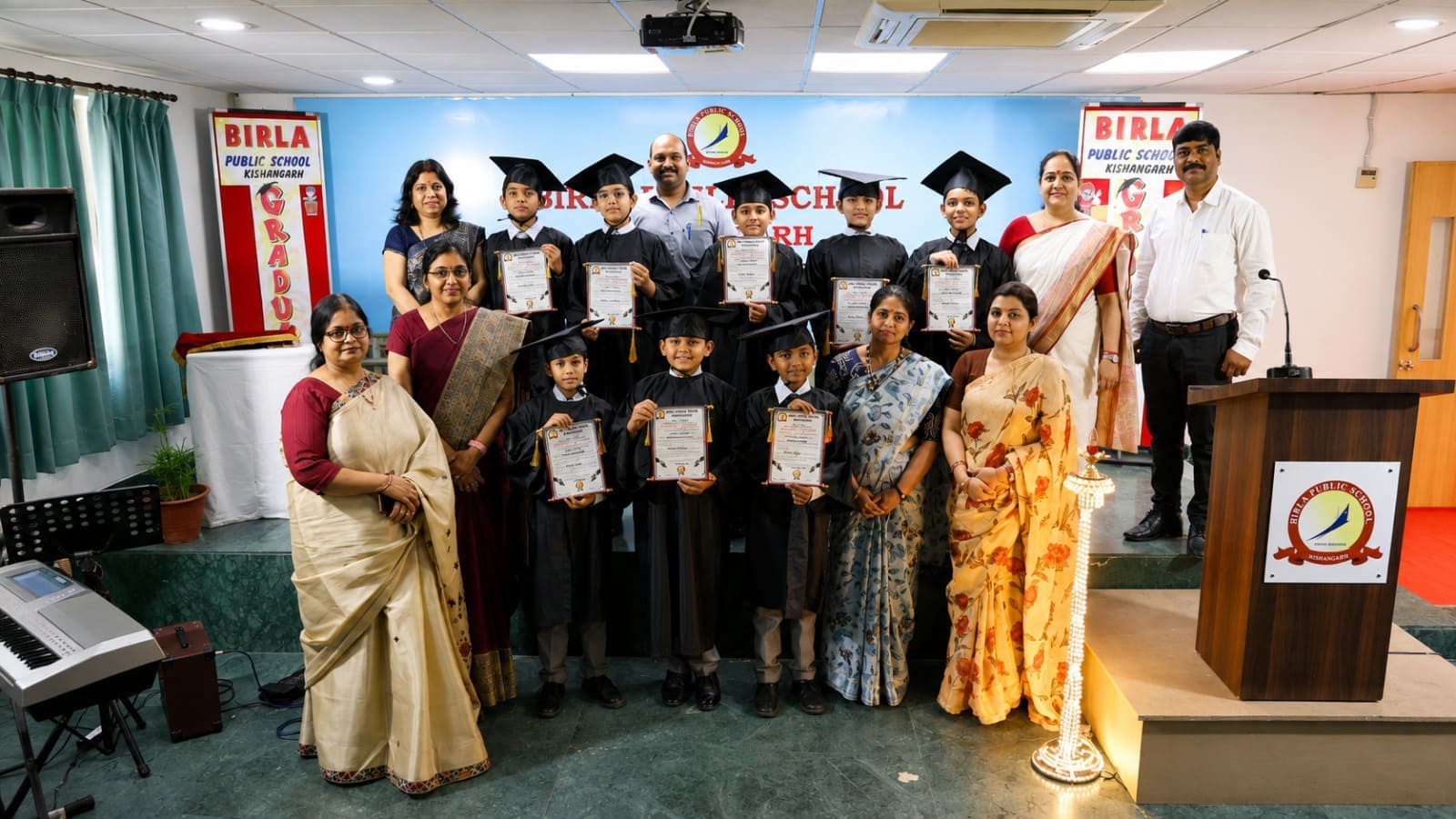
Birla Public School Kishangarh is a co-educational residential institution in Rajasthan. Its school environment brings academics, residential life, sports, activities, and student development together within a structured campus setting.
For students, residential schooling can make academic support more integrated into their daily routine. Dedicated study periods and access to teachers and school resources can encourage consistency in learning.
Parents considering Birla Public School Kishangarh should evaluate aspects such as:
- Curriculum and teaching approach
- Academic support
- Student-teacher interaction
- Study routines
- Subject opportunities
- Assessment practices
- Residential supervision
- Sports and activities
- Pastoral support
Rather than focusing only on examination results, parents should consider whether the complete learning environment suits their child’s needs.
Why Safety and Pastoral Care Matter
For parents, sending a child to a residential school is a significant decision. Therefore, student safety, supervision, emotional well-being, and communication should receive as much attention as academics.
When evaluating a school, parents should understand:
- How residential areas are supervised
- What medical assistance is available
- How emergencies are managed
- How students can approach staff with concerns
- What safeguarding procedures are followed
- How parents receive updates
- How homesickness and adjustment challenges are addressed
A supportive residential environment should allow students to develop independence while ensuring that responsible adults remain available when assistance is needed.
How Parents Can Prepare Their Child for Residential School
Moving from home to residential school can be a major transition. Parents can make the adjustment easier with practical preparation.
Before Admission:
- Involve your child in the decision – Discuss why residential education is being considered and listen to their views.
- Visit the campus – If possible, allow your child to see classrooms, boarding facilities, sports areas, and other parts of the school.
- Encourage basic independence – Teach children to organize belongings, follow schedules, and manage everyday personal tasks.
- Talk realistically about homesickness – Explain that missing home initially can be normal.
- Discuss communication routines – Understand the school’s policies regarding calls, visits, and parent communication.
- Encourage asking for help – Children should know that seeking support from teachers or residential staff is appropriate whenever they face a genuine concern.
Choosing the Right Co-Ed Residential School
Every child is different. A school that suits one student may not necessarily be the best environment for another.
Before selecting a residential school, parents should consider:
- The child’s emotional readiness
- Academic requirements
- Boarding facilities
- Safety and supervision
- School values and culture
- Sports infrastructure
- Co-curricular opportunities
- Student support systems
- Communication with parents
- Medical facilities
- Opportunities for leadership
- Overall campus environment
Parents considering Birla Public School Kishangarh can explore these areas and understand how the school’s educational philosophy aligns with their expectations and their child’s personality.
Conclusion
Choosing a Co-Ed Residential School in Rajasthan is ultimately about finding an environment where a child can learn academically while also developing independence, responsibility, confidence, communication skills, and meaningful relationships.
Residential education provides students with experiences that extend beyond classroom lessons. Living with peers, participating in activities, following structured routines, managing responsibilities, and learning to work collaboratively can all contribute to personal development.
Birla Public School Kishangarh offers a co-educational residential environment where learning, campus life, sports, activities, and student development come together. For parents considering this educational path, the most important step is to understand their child’s needs, explore the school carefully, and choose an environment where the child can feel supported while gradually becoming more independent.
A thoughtfully chosen residential school can become more than a place to study—it can be a community where students learn, live and grow together.